All stories

1288 published stories · page 1 of 86

CT-based deep learning for identifying sinonasal inverted papilloma: a single-center retrospective study
HealthEvidence-backed gain

CT-based deep learning for identifying sinonasal inverted papilloma: a single-center retrospective study

This study aimed to develop a CT-based deep learning model as a decision-support system for the classification of sinonasal inverted papilloma (IP), nasal polyps, and normal paranasal anatomy. A retrospective dataset of 871 patients who underwent paranasal CT imaging between 2020 and 2024 was analyzed. All diagnoses were confirmed histopathologically. Two representative CT slices per patient were selected at the patient level by an experienced radiologist blinded to final diagnosis. The dataset was split into 70…

European Archives of Oto-Rhino-Laryngology

Data science, artificial intelligence and the third wave of digital era governance
Evidence-backed gain

Data science, artificial intelligence and the third wave of digital era governance

This article examines the model of digital era governance (DEG) in the light of the latest-wave of data-driven technologies, such as data science methodologies and artificial intelligence (labelled here DSAI). It identifies four key top-level macro-themes through which digital changes in response to these developments may be investigated. First, the capability to store and analyse large quantities of digital data obviates the need for data 'compression' that characterises Weberian-model bureaucracies, and facili…

Poster of 'Jamlok', billed as world's first AI horror film, unveiled
Evidence-backed gain

Poster of 'Jamlok', billed as world's first AI horror film, unveiled

New Delhi, Oct 11 (PTI) The poster of ‘Jamlok’, billed by its makers as the world’s first AI-powered horror film, was unveiled at the ‘Uncanny India’ festival, held in the national capital. AI filmmaking company Koyal AI and Waveband Production, which has produced ‘Mastiii 4’, have joined hands for the multilingual film, with major Bollywood […]

US’s Reagan-era economic promises return as Trump’s AI-fueled growth fantasy
Evidence-backed problem

US’s Reagan-era economic promises return as Trump’s AI-fueled growth fantasy

Back through political history to the age of Ronald Reagan, Republicans have repeatedly promised the US public that tax cuts would pay for themselves, firing up economic growth and filling the government’s coffers. The promise never really panned out. From the Gipper’s day on, the Republicans’ tax cuts inevitably increased the budget deficit. Despite its failure, though, the promise is back, coated in a fine new layer of artificial intelligence pixie dust. It will fail again. The treasury secretary, Scott Bessen…

Exploring AI tool adoption in higher education: evidence from a PLS-SEM model integrating multimodal literacy, self-efficacy, and university support
Evidence-backed gain

Exploring AI tool adoption in higher education: evidence from a PLS-SEM model integrating multimodal literacy, self-efficacy, and university support

Introduction: Framed within the technology acceptance model, this study examines how multimodal literacy, self-efficacy, and university support affect students' attitudes toward artificial intelligence tools and the students' intentions to adopt them. Methods: Survey data from 498 students were analyzed using PLS-SEM 4.0 and SPSS 29. Results: The findings showed that the perceived usefulness of the AI tools was the strongest predictor of both attitude toward the tools and intention to use them. All three anteced…

Health

Development and Validation of an Interpretable Machine Learning Model for Osteoporosis Prediction Using Multimodal Musculoskeletal Ultrasound and Clinical Features

This study aimed to develop and validate an interpretable machine learning model for osteoporosis prediction based on multimodal ultrasound and clinical features. Participants with suspected osteoporosis were enrolled from 2 medical centers. Clinical variables and multimodal musculoskeletal ultrasound parameters, including muscle thickness, cross-sectional area, and shear wave elastography measurements, were collected. LASSO regression was used for feature selection. Eight machine learning algorithms, including…

Development and Validation of an Interpretable Machine Learning Model for Osteoporosis Prediction Using Multimodal Musculoskeletal Ultrasound and Clinical Features
Health

Comprehensive analysis and external validation of a glycolysis-related gene signature as a prognostic index for skin cutaneous melanoma

Skin cutaneous melanoma (SKCM) is the third most common cause of cancer-related deaths globally. Today, precise biomarkers to predict melanoma prognosis are quite limited. Aerobic glycolysis serves as the primary metabolic pathway for malignancies to meet their rapid growth demands. This study built a glycolysis-associated gene (GAG) signature to evaluate prognosis and immunotherapy response of SKCM. Data acquired from the Genotype-Tissue Expression (GTEx) and The Cancer Genome Atlas (TCGA) databases were evalua…

Comprehensive analysis and external validation of a glycolysis-related gene signature as a prognostic index for skin cutaneous melanoma
Education

The Human Side of Technology: How Yitian Li Approaches Product Design and AI

Li's recent project Quriosity puts that philosophy into practice. The AI-powered curiosity engine allows children to scan everyday objects and turn them into continuing journeys of discovery, combining voice conversations, guided exploration, personal collections, and AI recommendations into a system designed to sustain curiosity rather than simply answer questions.

The Human Side of Technology: How Yitian Li Approaches Product Design and AI
Labor

Emotional AI and the rise of pseudo-intimacy: are we trading authenticity for algorithmic affection?

Introduction In recent years, artificial intelligence has moved beyond the realm of data analysis, automation, and task efficiency to enter the domain of human emotion. What was once a domain exclusively reserved for living beings—empathy, intimacy, and affection—is now being approximated by lines of code. Emotional AI systems are emerging in various forms: companion chatbots, virtual friends, therapeutic apps, and sentiment-aware assistants (Guingrich and Graziano, 2023; Chu et al., 2025). These technologies ar…

Emotional AI and the rise of pseudo-intimacy: are we trading authenticity for algorithmic affection?
Health

Integration of liquid chromatography-tandem mass spectrometry into total laboratory automation: technical challenges and clinical advantages

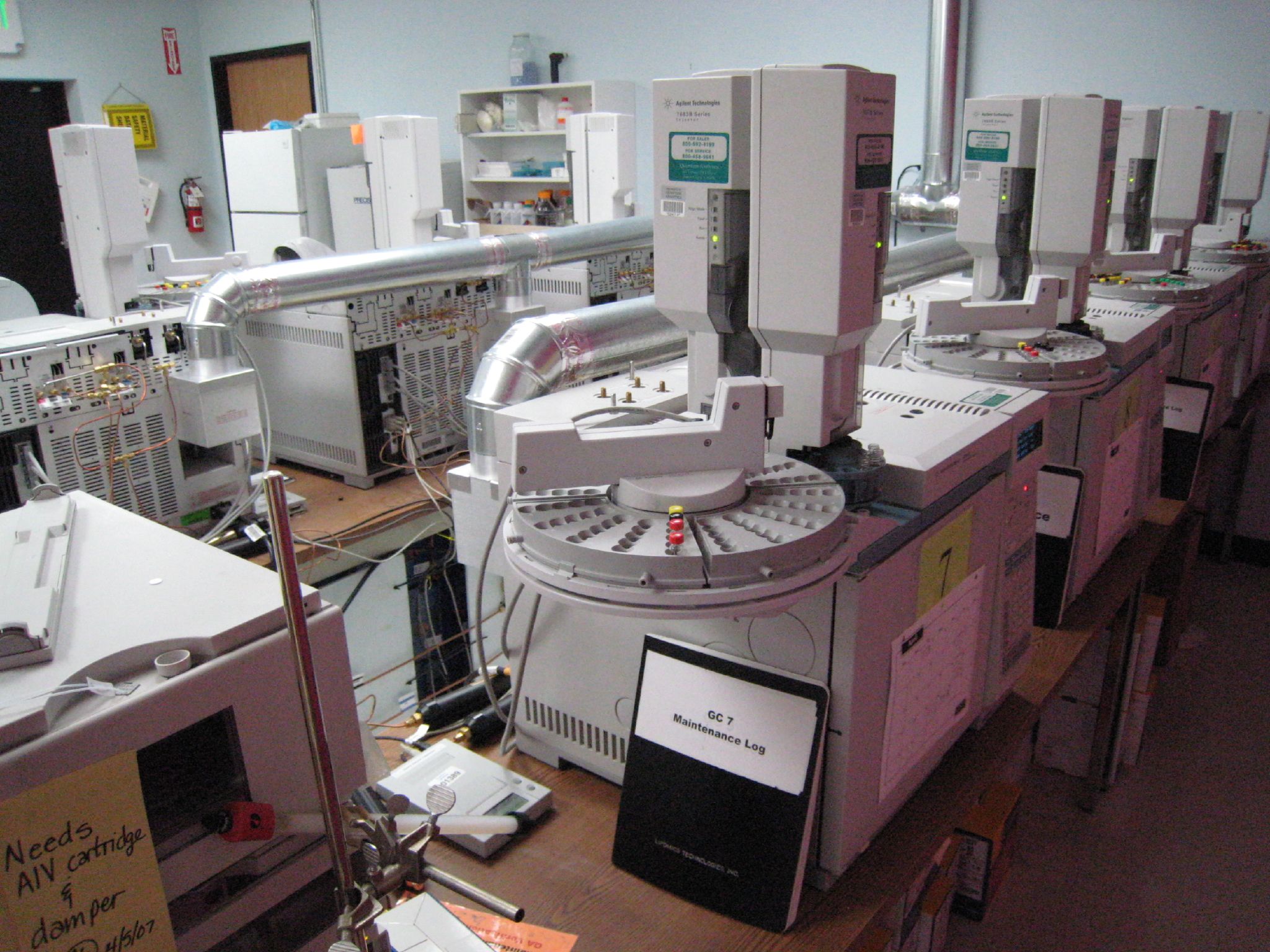
The clinical laboratory is undergoing a paradigm shift toward the integration of liquid chromatography-tandem mass spectrometry(MS) into Total Laboratory Automation workflows. While historically relegated to specialized satellite units due to manual pre-analytical requirements, recent technological advancements have enabled the development of fully automated, 'sample-to-result' MS modules. This review provides an authoritative analysis of the technical integration of systems such as the Roche cobas® i 601 and Sh…

Integration of liquid chromatography-tandem mass spectrometry into total laboratory automation: technical challenges and clinical advantages
Climate

South Park has ​​AI datacentres​, sentient penises ​and a billionaire problem – in more ways than one

A little over a year ago, South Park creators Trey Parker and Matt Stone renewed their deal with Paramount after a contentious negotiation that held up production of the 2025 season. That $1.5bn agreement raised questions about whether Paramount, newly owned by David Ellison, would really offer the creators creative freedom – or was the billionaire class solidifying its hold over a comedy series as cover to meddle in other divisions, like CBS News? The deal also made Parker and Stone likely billionaires themselv…

South Park has ​​AI datacentres​, sentient penises ​and a billionaire problem – in more ways than one
Business

Humans as Creativity Gatekeepers: Are We Biased Against AI Creativity?

Abstract With artificial intelligence (AI) increasingly involved in the creation of organizational and commercial artifacts, human evaluators’ role as creativity gatekeepers of AI-produced artifacts will become critical for innovation processes. However, when humans evaluate creativity, their judgment is clouded by biases triggered by the characteristics of the creator. Drawing from folk psychology and algorithm aversion research, we examine whether the identity of the producer of a given artifact as artificial…

Humans as Creativity Gatekeepers: Are We Biased Against AI Creativity?