 ace
Technical and Emotional AI Labor
Chinese digital-first policies have accelerated artificial intelligence (AI) integration across the cultural and creative industries (CCIs). While AI is promoted as enhancing creativity, productivity, and efficiency, the labor required to create with AI remains underexamined. Artistic labor scholarship recognizes networking, self-promotion, and entrepreneurial work, while AI-assisted creativity research emphasizes collaboration, authorship, and outcomes. Neither adequately conceptualizes the continual labor embe…

In brief
A study of independent contemporary visual artists in China, using surveys and interviews from 2023 to 2024 plus a review of international policy recommendations from 2018 to 2025, examines the work that creating with AI actually requires. It introduces the concept of technical and emotional AI labor.
The finding matters because AI is promoted as boosting creativity and efficiency while the labor behind it goes unrecognized. If adaptation is treated as training rather than work, artist-status policies may not reflect artists' real conditions, and the source calls for updating them.
Main points
- Chinese digital-first policies have accelerated AI integration across the cultural and creative industries.
- Artists' AI work includes software learning, prompt engineering, experimentation, technical maintenance, platform coordination, and emotional self-management.
- These activities are integral to artistic production rather than external professional development.
- International bodies increasingly recognize digital skills, copyright, and AI governance but still frame adaptation as education.
The problem
AI adoption pushes independent visual artists into ongoing software learning, prompting, maintenance and emotional self-management, while international policy treats this as education rather than recognized artistic labor.
The rundown
The research combines surveys and semi-structured interviews with independent contemporary visual artists in China, conducted in 2023-2024, with systematic analysis of Status of the Artist policy recommendations published between 2018 and 2025.
The policy documents analyzed come from UNESCO, the ILO, the OECD, CISAC, and the IFCCD. The article finds that they recognize digital skills, lifelong learning, copyright, and AI governance.
Existing artistic labor scholarship covers networking, self-promotion, and entrepreneurial work, while AI creativity research focuses on collaboration, authorship, and outcomes. The authors say neither captures the continual labor embedded in AI-integrated production.
Sources
- Peer-reviewedThe International Journal of Social, Political and Community Agendas in the Arts2026-10-09
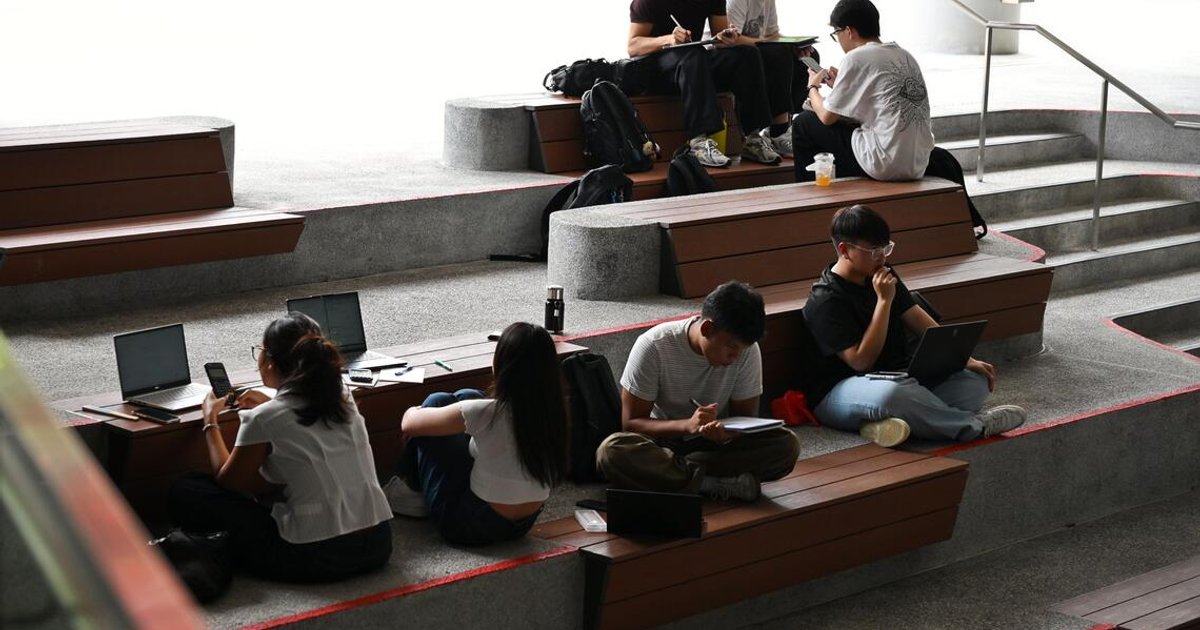
Year-long internships offered to 3,000 tertiary students to counter AI threat to entry-level jobs
The Straits Times
A Concern for Entry-Level Jobs
The Economic Times
Calls to strengthen workplace privacy in Australia as employers turn to AI to track staff
The Guardian
The debate