 ace
Calls to strengthen workplace privacy in Australia as employers turn to AI to track staff
Employers are increasingly using technology, from CCTV to keystroke monitoring, to track workers’ moves and it is being accelerated by the use of AI, the Human Technology Institute has warned. Examples provided to Guardian Australia by the institute include a fast-food restaurant using surveillance cameras to stop workers using their phones, and AI tracking leading to a cashier warned over making a mistake once every 533 scans. In a report released on Tuesday, the University of Technology Sydney institute said w…

In brief
A report from the University of Technology Sydney's Human Technology Institute says monitoring tools in factories, offices, delivery work and retail are becoming more common, and that AI is accelerating the trend. Examples supplied to Guardian Australia include camera surveillance aimed at stopping phone use and AI scan-error tracking that led to a formal warning for a supermarket cashier.
The findings matter because the institute links the growth of surveillance to gaps in Australian law, namely exemptions for employee records and small businesses, and argues that rules on fairness, consultation and complaints are needed. The evidence is largely consultation anecdotes, a union submission and one poll, so the true prevalence of AI monitoring is not established, and the proposed reforms are recommendations rather than adopted law.
Main points
- The institute says tools include CCTV, card-swipe monitoring, keystroke monitoring and tracking of workplace instant messaging.
- A supermarket cashier reportedly got a final written warning over a 0.18% error rate, roughly one error per 533 items scanned.
- Researchers heard that young fast-food workers avoided change rooms after fearing cameras had been installed there.
- A March 2026 poll found 43% of Australians knew some employers use technology to monitor workers, but only 9% knew of monitoring in their own workplace.
- The report urges a fair-and-reasonable test in the Fair Work Act, ministerial power to ban unacceptable-risk products, and a complaints scheme at the Fair Work Commission.
The problem
AI-assisted workplace monitoring has led to disciplinary action over a tiny error rate and changed staff behaviour, while Privacy Act exemptions leave workers with limited protection and often little awareness of being monitored.
The rundown
The report names Microsoft Teams as a common surveillance platform and notes a tool rolled out earlier this year that automatically updates a worker's location to show they are in the office when they connect to workplace wifi.
The institute asks the federal government to build privacy protections into workplace law because Privacy Act exemptions for employee records and for small businesses have let surveillance grow. Prof Edward Santow called transparency necessary but far from sufficient.
The proposals would require employers to engage with staff on planned surveillance and improve the quality of consent. They also flag smartglasses as a product that could be used to covertly surveil workers.
The findings go to the parliamentary joint standing committee on artificial intelligence, which is holding hearings on AI in the workplace with unions and other agencies. Labor senator Tony Sheldon called the concerns critical for privacy, health and dignity.
Sources
- JournalismThe Guardian2026-10-19
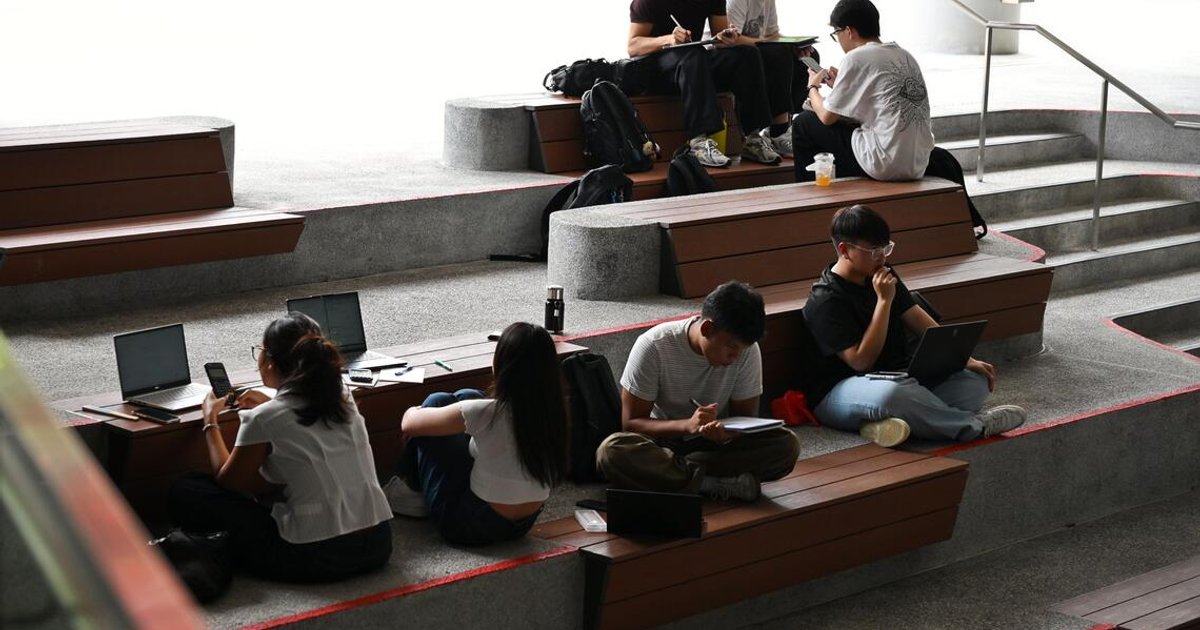
Year-long internships offered to 3,000 tertiary students to counter AI threat to entry-level jobs
The Straits Times
A Concern for Entry-Level Jobs
The Economic Times
How Artificial Intelligence Is Reshaping the Work and Career Paths of Junior Software Developers in China and the United States
Advances in Economics, Management and Political Sciences
The debate