 ace
AI use, strain and self-efficacy among Finnish workers
Source article: Stress and self-efficacy under artificial intelligence disruption: A mixed-methods study on the usage of artificial intelligence among Finnish workers
Rapid workplace integration of artificial intelligence (AI) is reshaping work practices and challenging employees’ self-efficacy and well-being. This mixed-methods study examines these experiences using national survey data ( N = 2109) and qualitative interviews ( N = 54) with Finnish workers. Frequent AI use, AI-induced identity threat, and organizational AI deployment are associated with higher AI strain, whereas AI self-efficacy relates to frequent use, positive AI attitudes, and subjective well-being. Identi…

Both sides are scored from claims and sources, not community votes.
G 69The G score combines the specificity and measured human impact of the grounded gain claim with the strength of this Trace’s cited sources.In brief
Researchers combined a national survey of 2109 Finnish workers with 54 qualitative interviews to see how everyday AI use affects employees. Strain was higher among those who used AI often, felt their professional identity was threatened, or worked where AI was deployed by the organization. Confidence in one's own AI ability went together with frequent use, favorable attitudes and well-being.
The results suggest that workplace AI adoption is not only a skills matter but also a question of professional identity and worker well-being. Employers may need to address identity-related concerns when rolling out AI. The reported links are associations, and the abstract does not show that AI use causes strain or that self-efficacy causes well-being.
Main points
- The study used national survey data from 2109 Finnish workers plus 54 qualitative interviews.
- Frequent AI use, identity threat and organizational AI deployment were each associated with higher AI strain.
- AI self-efficacy related to frequent use, positive attitudes toward AI and subjective well-being.
- Identity threat moderated several of the observed associations.
- Participants often described AI use as voluntary yet expected rising competence demands and responsibility.
The gain
Among Finnish workers, higher AI self-efficacy is associated with more frequent AI use, more positive attitudes toward AI, and better subjective well-being.
The problem
Frequent AI use, AI-induced identity threat and organizational AI deployment are associated with higher AI strain among Finnish workers, who also expect growing competence demands and responsibility.
The rundown
The paper frames rapid workplace integration of AI as reshaping work practices and challenging employees' self-efficacy and well-being. It uses a mixed-methods design, pairing survey measures with interviews to capture both patterns and how workers interpret them.
Identity threat did more than correlate with strain: it moderated several associations, so professional identity shapes how AI experiences affect workers. The qualitative analysis used Greimas' semiotic modalities of must, can, know and want to interpret these tensions.
The authors report tension between perceived self-efficacy and pressure to integrate AI. Even where use was described as voluntary, workers expected more responsibility, and the authors call for organizational strategies that address identity challenges and support well-being.
What this doesn’t fix
The findings are reported as associations, and the source does not establish causal effects. Workers described AI use as voluntary while anticipating increasing demands, so the effects of future pressure remain uncertain.
Sources
- Peer-reviewedNew Media & Society2026-10-15
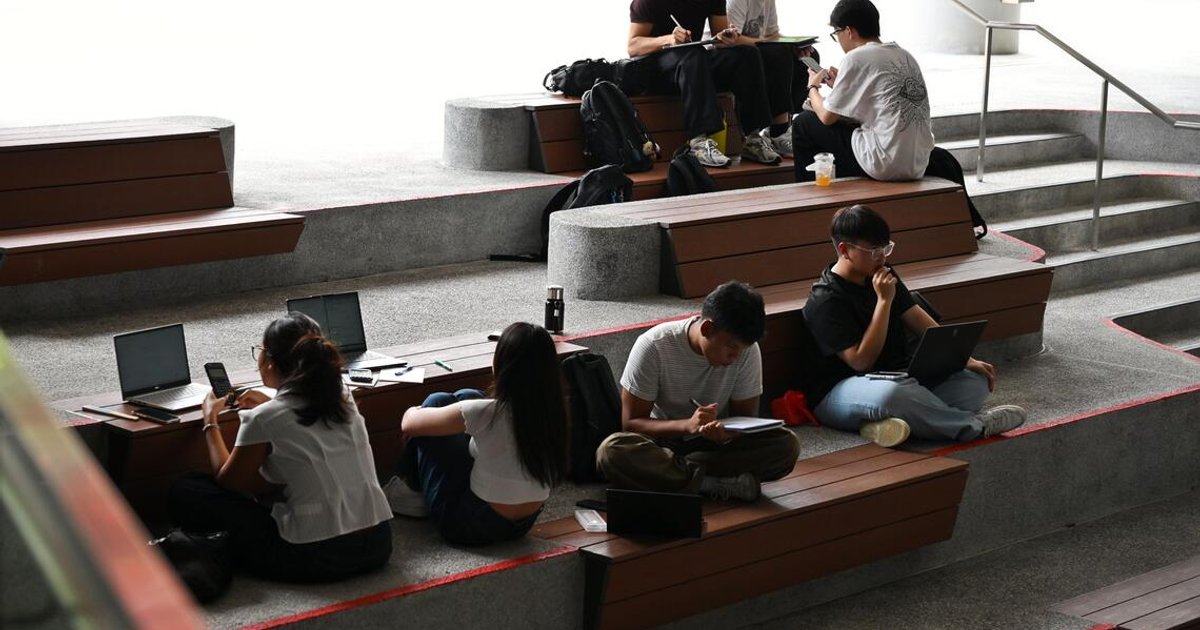
Year-long internships offered to 3,000 tertiary students to counter AI threat to entry-level jobs
The Straits Times
A Concern for Entry-Level Jobs
The Economic Times
Calls to strengthen workplace privacy in Australia as employers turn to AI to track staff
The Guardian
The debate