 ace
acebreath volatile markers for diagnosing melioidosis and indicating treatment response
Source article: Diagnosing melioidosis and tracking treatment outcomes using breath
Melioidosis is a life-threatening infectious disease caused by Burkholderia pseudomallei ( Bp ). Rapid diagnosis and appropriate antimicrobial treatment are critical to reduce mortality, yet diagnosis is hindered by diverse clinical manifestations, mimicry with other diseases, and reliance on slow culture-based methods. Detecting volatile compounds offers a non-invasive approach for rapid infection detection. In this study, we aim to identify volatile compounds in patients' breath that can aid in diagnosing meli…
Both sides are scored from claims and sources, not community votes.
G 72The G score combines the specificity and measured human impact of the grounded gain claim with the strength of this Trace’s cited sources.In brief
By the publication date of 2026-08-25, a pilot study had collected breath samples from 17 melioidosis patients and 8 febrile controls and used two-dimensional gas chromatography mass spectrometry combined with machine learning feature selection to identify volatile signatures of infection and treatment course.
The work matters because melioidosis diagnosis currently relies on slow culture-based methods despite high mortality, so a non-invasive breath test could accelerate appropriate antimicrobials; uncertainty remains due to very small cohorts, single misclassification, and need for larger validation of the 3-marker, 4-marker, 16-compound CRP-correlated, and 144-compound time-associated panels.
Main points
- Study enrolled 17 patients with culture-confirmed melioidosis and 8 patients with other febrile illnesses, with longitudinal sampling from 5 melioidosis patients over approximately one month of antibiotic treatment.
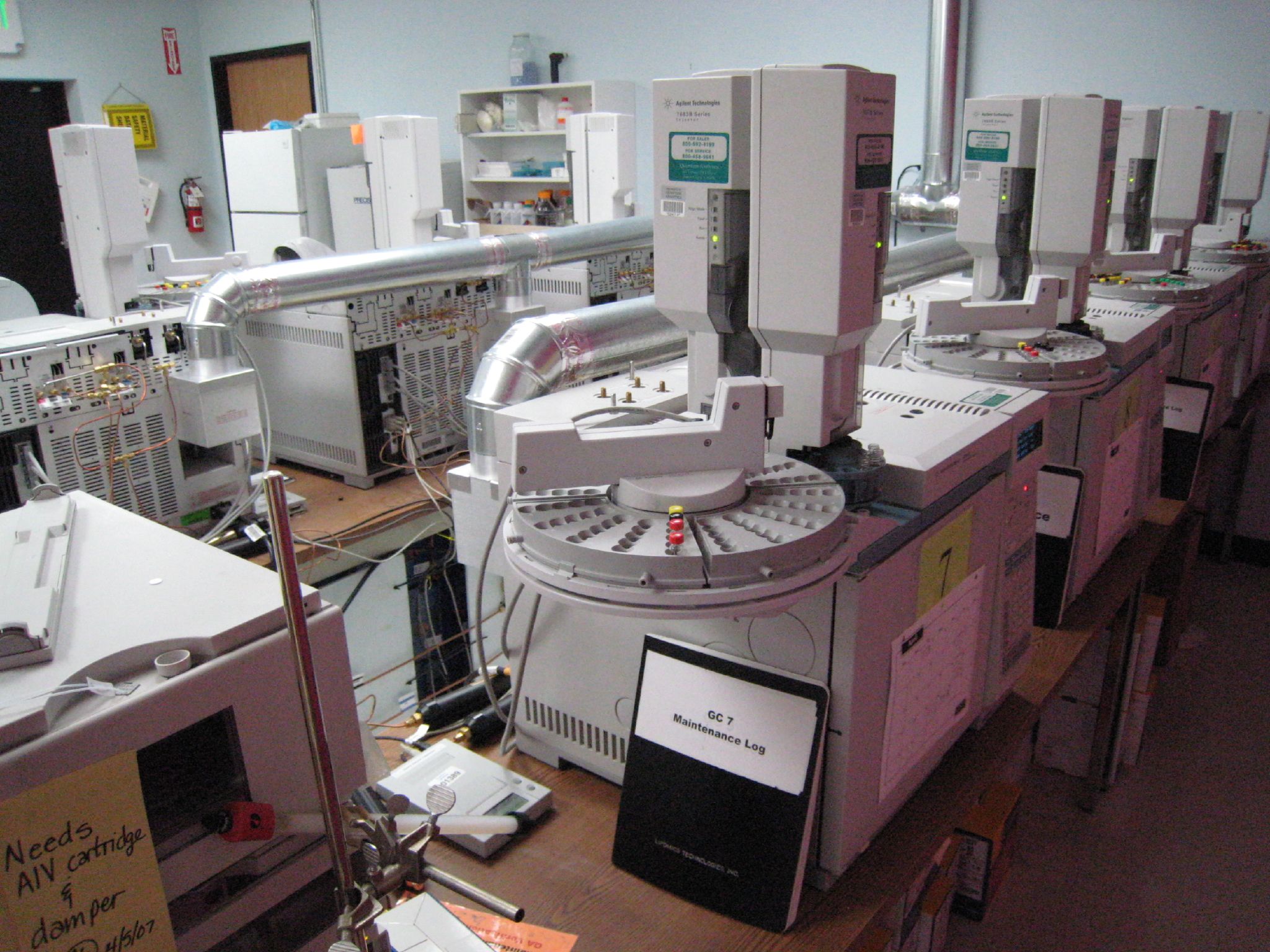
- Analysis used comprehensive two-dimensional gas chromatography time-of-flight mass spectrometry with statistical comparison and machine learning-based feature selection.
- Four breath markers, three of which were hydrocarbons, differentiated samples associated with a positive Bp culture from those with a negative Bp culture.
- 16 volatile compounds significantly correlated (correlation coefficient > 0.6) with blood C-reactive protein levels.
The gain
Machine learning analysis of breath volatiles identified candidate markers that discriminated culture-confirmed melioidosis from other febrile illnesses with perfect AUC in a small test set and tracked culture status and treatment time during antibiotics.
The problem
In extended testing, the three-marker panel misclassified one febrile control, and the overall pilot size limits generalizability for rapid diagnosis.
The rundown
Researchers collected breath from 17 culture-confirmed melioidosis cases and 8 febrile controls, plus longitudinal samples from 5 melioidosis patients during about one month of antibiotics, and analyzed them with comprehensive two-dimensional gas chromatography time-of-flight mass spectrometry.
A three-compound panel of camphene, 1-butanol, and 3-methylheptyl acetate achieved AUC 1.00 in the initial 7 vs 6 comparison and correctly classified 11 additional melioidosis samples, while a separate four-marker random forest model distinguished Bp culture-positive from culture-negative samples with 98% sensitivity and 95% specificity.
What this doesn’t fix
Pilot design with very small discovery cohorts (n=7 vs n=6 for initial discrimination) and total n=25, so findings are candidate markers requiring larger validation before clinical use.
Sources
- Peer-reviewedJournal of Breath Research2026-08-25

Development and Validation of Human-AI Collaborative Workflow in SNOMED CT Mapping of Bilingual Clinical Text
Journal of Medical Systems
Generative artificial intelligence and commercial sexual exploitation of children: Implications for healthcare providers
Child Abuse & Neglect
Artificial intelligence and digital technologies transforming neonatal respiratory assessment: a scoping review
Journal of Perinatology
The debate