 ace
aceAI-generated promptography for photographic art at Photo Brussels 2025
Source article: AI takes centre stage at Photo Brussels 2025
Who’s afraid of artificial intelligence? Probably all of us are a little – but the artists at the centre of this year’s Photo Brussels festival have embraced the technology to bring us an intriguing and, at times, optimistic exploration of one of the most concerning developments of our time. The ambitious curation by the photography academic Michel Poivert gathers together 17 projects at Brussels’ Hangar gallery. Together their creations reveal the visual and intellectual potential, along with the current limits…

Both sides are scored from claims and sources, not community votes.
G 52The G score combines the specificity and measured human impact of the grounded gain claim with the strength of this Trace’s cited sources.In brief
In January 2025, Photo Brussels festival at the Hangar gallery exhibited 17 projects that use AI text-to-image tools to make photographs, curated by Michel Poivert. Artists including Pascal Sgro, Brodbeck and de Barbuat, and Claudia Jaguaribe used Midjourney and other AI research to build fictional airline ads, re-stage iconic portraits, and reconstruct portraits of historically overlooked Brazilian women.
The show matters because it moves AI from abstract debate to concrete artistic practice, showing both expanded visual possibilities and persistent dataset biases that shape how people are depicted. Uncertainties remain about how representative current models are, how audiences distinguish invention from documentation, and whether such artistic critiques translate into changes in model training or sourcing.
Main points
- Photo Brussels 2025 at Brussels' Hangar gallery curated by Michel Poivert gathered 17 projects using AI promptography.
- Pascal Sgro's Cherry Airlines series used AI to imagine 1950s air travel luxury to prompt reflection on climate cost.
- Brodbeck and de Barbuat used Midjourney text prompts between 2022 and 2023 to recreate famous photographs and expose dataset biases.
- Claudia Jaguaribe used AI-driven historical and iconographic research to create portraits of unrecognized Brazilian women including Barbara de Alencar.
The gain
Artists using AI image generators can create new visual worlds and reconstruct under-documented historical figures, demonstrating creative and intellectual potential for photography.
The problem
AI image generators like Midjourney reproduced dataset biases, including generic ethnic features, gendered nudity assumptions, and advertising-driven distortions in recreations of famous photographs.
The rundown
The festival at Hangar gallery presented 17 AI-based projects curated by photography academic Michel Poivert, framing promptography as both creative tool and subject of critique.
Specific works illustrate the range: Sgro's fictional airline images blur reality and invention to comment on luxury and climate, while Brodbeck and de Barbuat's experiments with Midjourney literal prompts exposed stereotyping in recreations of Leibovitz and Lange images.
Jaguaribe's Barbaras series used AI research to visualize women like enslaved lawyer Esperanca Garcia and warrior princess Aqualtune, turning archival gaps into collaged stamps and postcards.
What this doesn’t fix
The exhibition notes current technical limits and time-bound dataset gaps, with flaws observed in works made between 2022 and 2023.
Sources
- JournalismThe Guardian2025-01-31
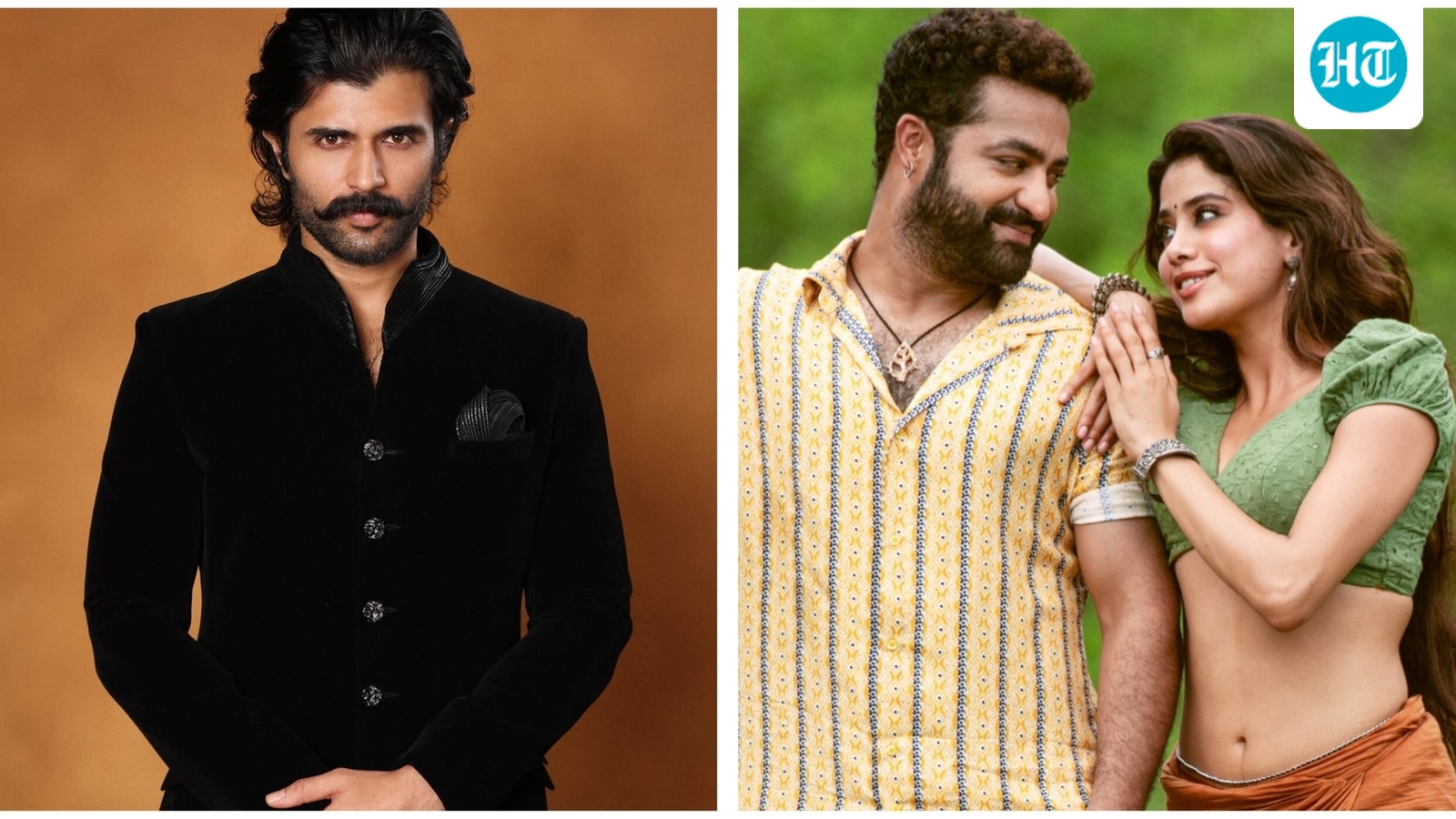
Vijay Deverakonda slams AI-morphed Chuttamalle video of Jr NTR and Janhvi Kapoor, calls for strict action: ‘Digital equivalent of sexual assault’
Hindustan Times
'Urgent to Distinguish Human Art'
Breitbart News Network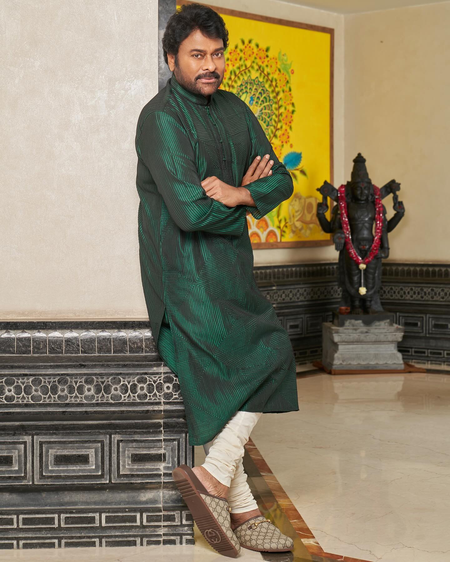
Chiranjeevi urges film fraternity to unite against misuse of AI after morphed 'Chuttamalle' video
Lokmat Times
The debate