 ace
acePope Leo comes out against AI-generated art and calls for an alliance with artists
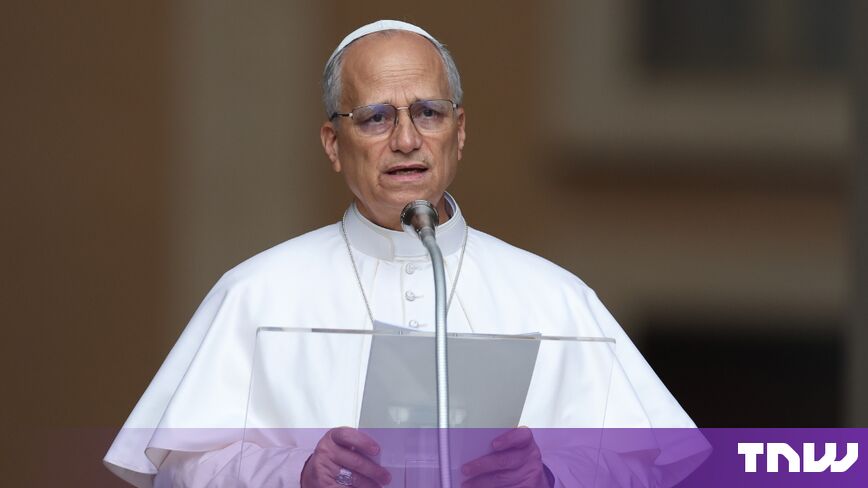
Pope Leo XIV told artists there is an ontological difference between art and machine output. The EU AI Act marks synthetic content, but goes easy on art.
In brief
Pope Leo XIV told artists there is an ontological difference between art and machine output, positioning AI-generated images as distinct from human art. The report links this to the EU AI Act, which marks synthetic content but is described as going easy on art.
The distinction matters for visual art and creator rights because labeling determines how audiences perceive authorship and authenticity. What remains uncertain from this brief report is how the EU's art leniency will be implemented and whether a papal call for an alliance with artists will translate into concrete protections.
Main points
- Pope Leo XIV asserted an ontological difference between human art and machine output in remarks to artists.
- The EU AI Act includes a synthetic content marking requirement.
- The Act's marking approach is described as lenient when applied to art, indicating a labeling gap for AI-generated art.
The problem
AI-generated output is being conflated with human art despite an ontological difference, and EU synthetic-content rules go easy on art, leaving artists without consistent labeling protection.
The rundown
On 2026-10-02, reporting described Pope Leo XIV telling artists that human art and machine output are ontologically distinct, framing AI-generated images as not equivalent to artistic creation.
The same report noted the EU AI Act's provision that marks synthetic content, while characterizing its application to art as lenient, pointing to an unresolved labeling gap for AI-generated art in cultural contexts.
Sources
- JournalismTNW2026-10-02
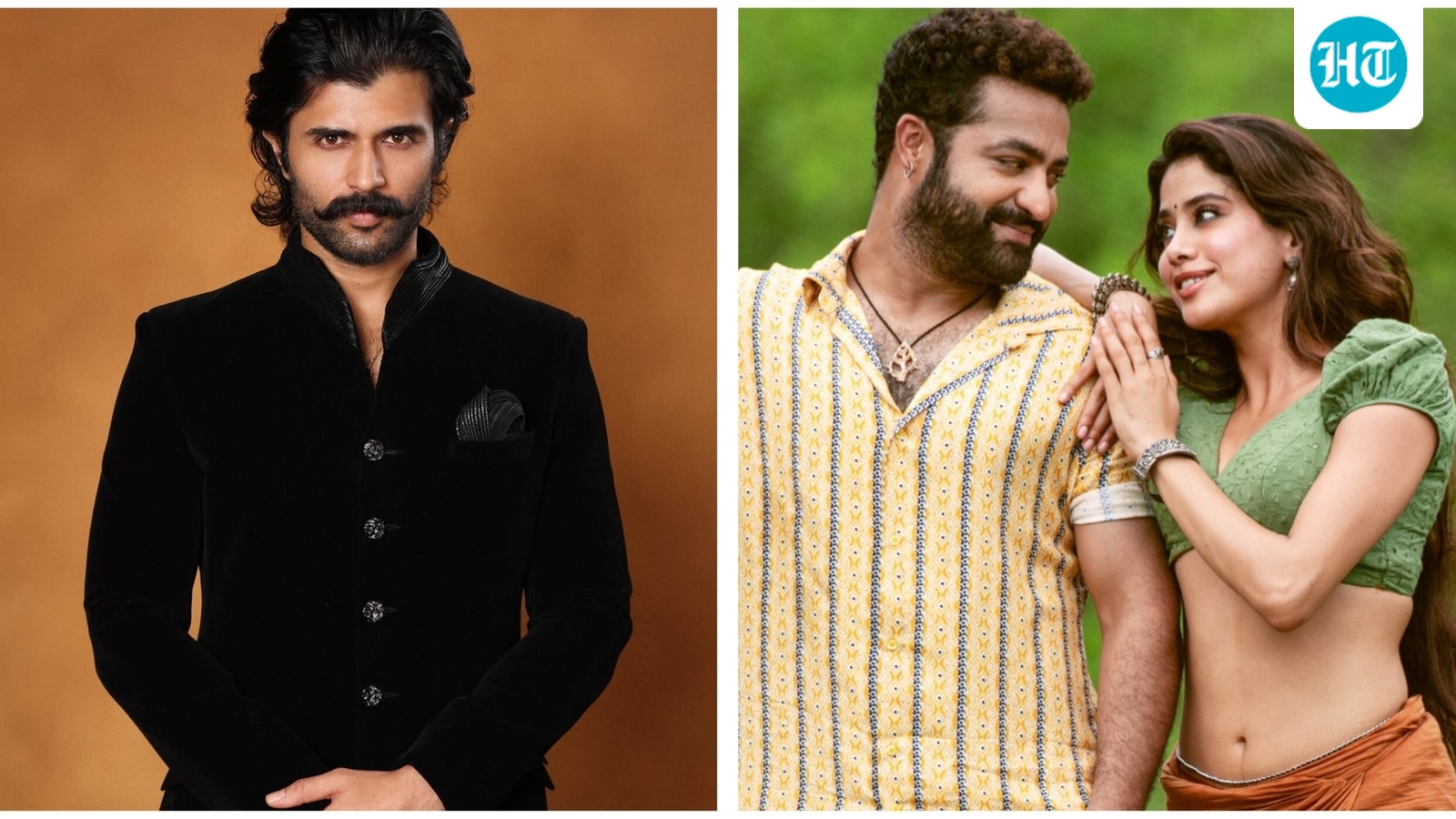
Vijay Deverakonda slams AI-morphed Chuttamalle video of Jr NTR and Janhvi Kapoor, calls for strict action: ‘Digital equivalent of sexual assault’
Hindustan Times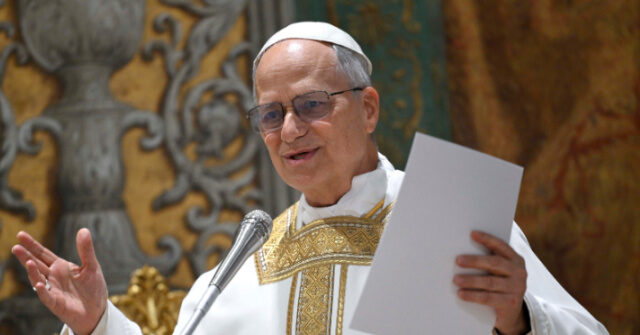
'Urgent to Distinguish Human Art'
Breitbart News Network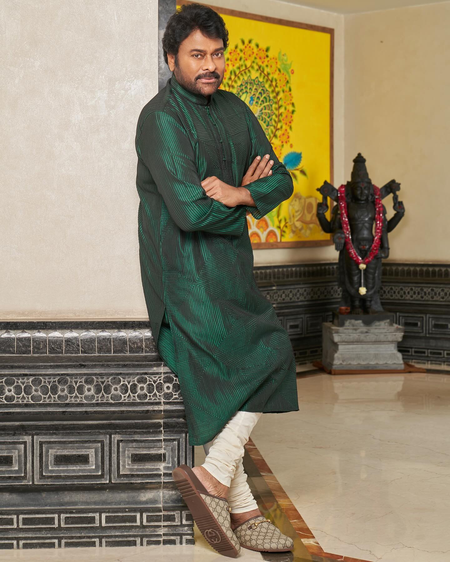
Chiranjeevi urges film fraternity to unite against misuse of AI after morphed 'Chuttamalle' video
Lokmat Times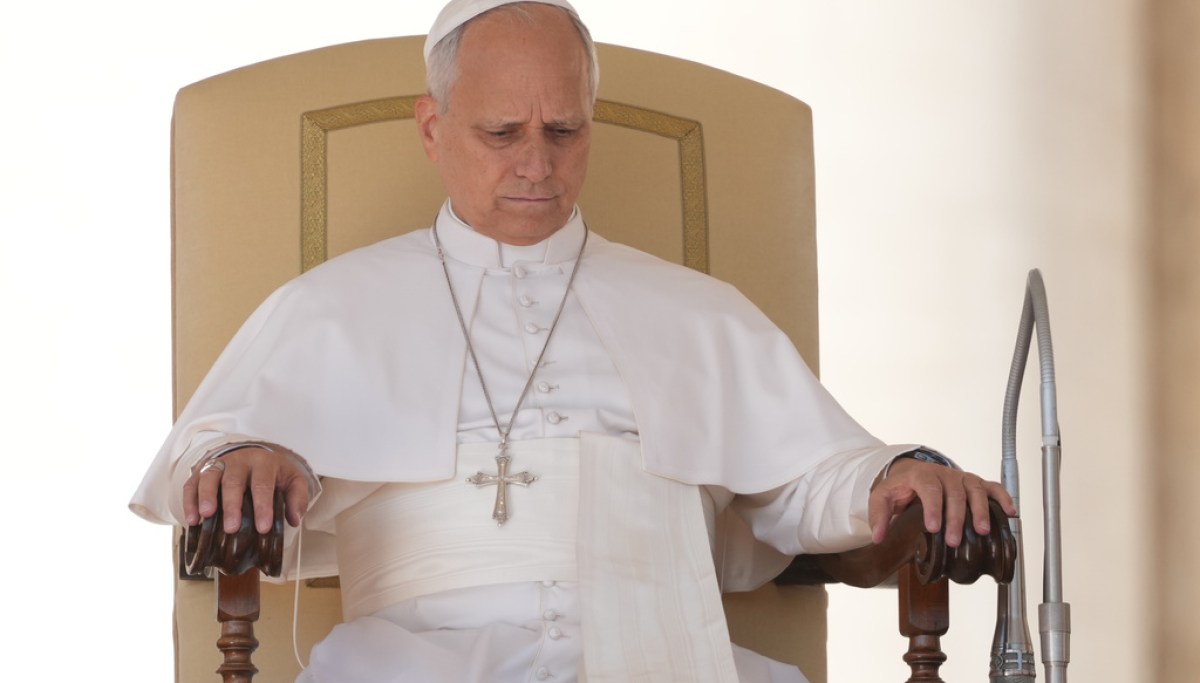
The debate