 ace
aceregulation of automated decision-making systems that assist human officials in migration, asylum and mobility decisions
Source article: When Is a Decision Automated? A Taxonomy for a Fundamental Rights Analysis
Abstract: Abstract This Article addresses the pressing issues surrounding the use of automated systems in public decision-making, specifically focusing on migration, asylum, and mobility. Drawing on empirical data, this Article examines the potential and limitations of the General Data Protection Regulation and the Artificial Intelligence Act in effectively addressing the challenges posed by automated decision-making (ADM). The Article argues that the current legal definitions and categorizations of ADM fail to capture th…
Negative state: both sides are scored from claims and sources, not community votes.
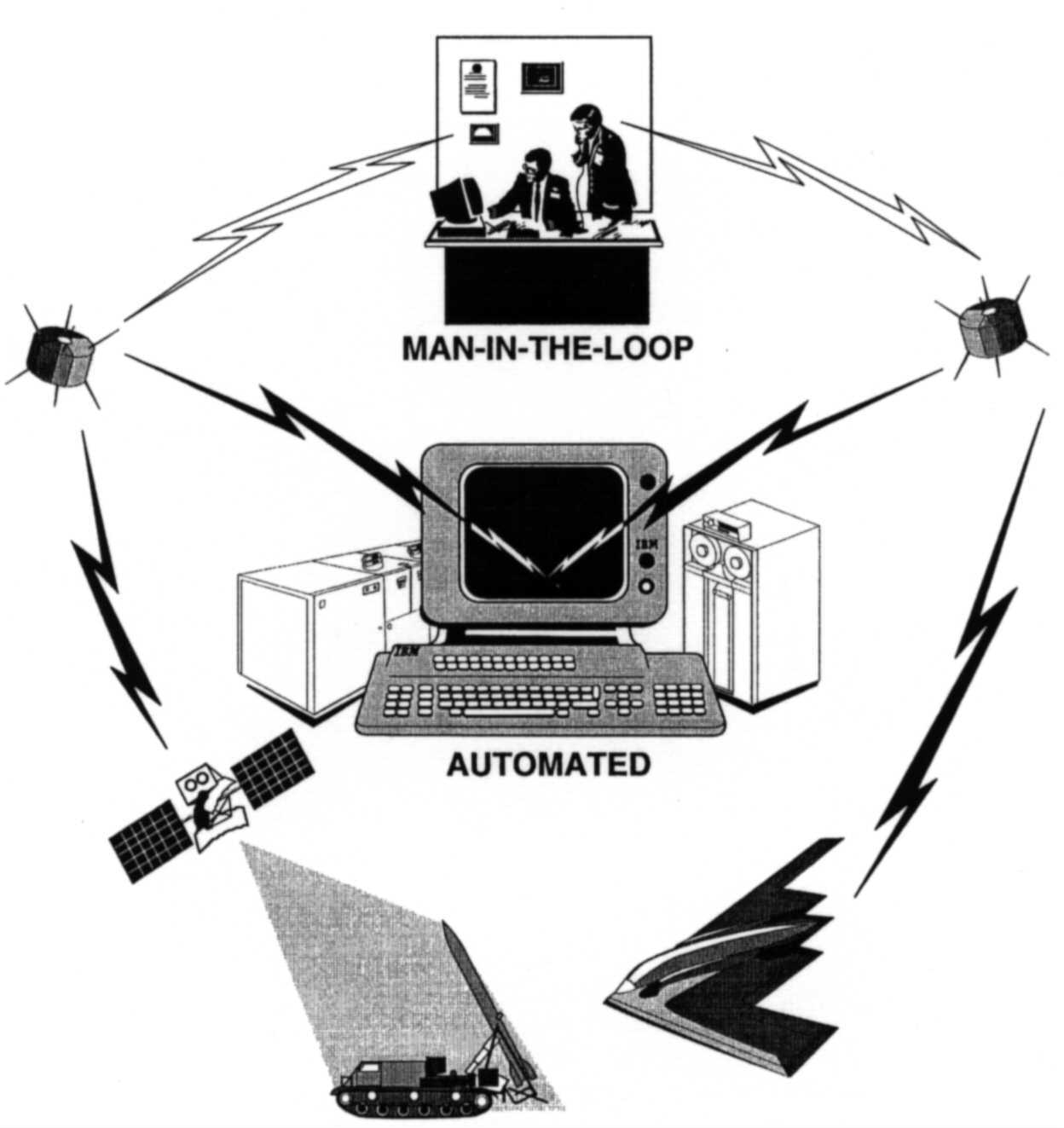
Automated vs man-in-the-loop decision making by Jeffery R. Barnett, Air University, Maxwell Air Force Base, Alabama.. Public domain
Published March 2024, this peer-reviewed article analyzes automated systems used in public decision-making for migration, asylum and mobility. It finds that GDPR and AI Act definitions centered on fully automated decisions miss common practices where systems assist human decision-makers, and it proposes a taxonomy to support fundamental rights analysis.
The taxonomy matters because it could help regulators and courts identify which rights are at stake and which sector-specific safeguards apply in hybrid decision processes. Uncertainty remains because the authors note the framework still needs empirical observation and input from other areas of public law to be enriched and refined.
- Article focuses on automated systems in public decision-making, specifically migration, asylum, and mobility.
- Analyzes potential and limitations of GDPR and AI Act for addressing ADM challenges.
- Argues current legal definitions of ADM do not reflect real-life assistance to human decision-makers.
- Proposes taxonomy to inform fundamental rights analysis and identify applicable sector-specific legislation.
A proposed taxonomy for automated decision-making could improve identification of fundamental rights at stake in public migration, asylum and mobility decisions.
Current GDPR and AI Act definitions of automated decision-making fail to capture real-life applications where automated systems assist rather than replace human decision-makers in migration and asylum.
The rundown
The article examines automated decision-making in public administration, drawing on empirical data from migration, asylum and mobility contexts to assess how GDPR and the AI Act apply when systems assist rather than fully replace officials.
It argues existing legal categories of 'automated decisions' are too narrow for hybrid human-machine workflows and proposes a taxonomy to map fundamental rights risks and relevant sector-specific rules.
Taxonomy is presented as provisional and requires further empirical validation and input from other public law experts to be refined.
Sources
- Peer-reviewedGerman Law Journal2024-03-01
How should this claim be treated?
The debate