 ace
FDA puts AI Pap smear slide reader in a lower-risk class, with special controls
Document title: Medical Devices; Hematology and Pathology Devices; Classification of the Digital Cervical Cytology Slide Imaging System With Artificial Intelligence Algorithm
The Food and Drug Administration issued a final order on November 5, 2026 classifying the digital cervical cytology slide imaging system with artificial intelligence algorithm into class II (special controls). The order codifies a classification first granted on January 31, 2024 and adds it to the federal regulations as 21 CFR 864.3900.
Read the official summary
The Food and Drug Administration (FDA) is classifying the digital cervical cytology slide imaging system with artificial intelligence algorithm into class II (special controls). The special controls that apply to the device type are identified in this order and will be part of the codified language for classification of the digital cervical cytology slide imaging system with artificial intelligence algorithm. We are taking this action because we have determined that classifying the device into class II will prov…
 "Medical Laboratory" by ben.dracup, CC BY 2.0.
In brief
The classification came from a De Novo request that Hologic Inc. filed on August 27, 2021 for its Genius Digital Diagnostics System with the Genius Cervical AI algorithm. Because the device now has a class II category, later makers of substantially equivalent devices can use the less burdensome 510(k) process rather than a De Novo request or premarket approval application.
FDA's stated benefit is an expectation, not a measured result: it believes the lower class will enhance patients' access to beneficial innovation. The agency also lists false negative and false positive results as the main risks to health, and requires special controls to address them.
Main points
- The order is effective November 5, 2026; the classification itself applied from January 31, 2024.
- The device type is a prescription in vitro diagnostic that creates, views and manages digital slides from Pap test specimens and conventional Pap smears.
- The AI software uses machine learning to give users information on the presence, location or characteristics of areas of an image with clinical implications, to assist a cytology diagnosis.
- Without this action, any device not in commercial distribution before May 28, 1976 would fall automatically into class III and require premarket approval.
- FDA names two risk groups, false negative and false positive results from device errors, and from incorrect interpretation of images or incorrect operation by the user.
- Required mitigations include design verification and validation studies, risk mitigation analysis, and labeling covering limitations, user training and performance information.
The gain
FDA says placing AI-assisted Pap test slide review systems in class II instead of automatic class III should widen patient access to the devices by lowering regulatory burdens.
The full story
Hologic Inc. submitted its De Novo request on August 27, 2021 for the Genius Digital Diagnostics System with the Genius Cervical AI algorithm. FDA found that general controls alone were insufficient but that special controls, combined with general controls, give reasonable assurance of safety and effectiveness, and issued its classification order to Hologic on January 31, 2024.
The final order defines the generic device as an automated digital slide creation, viewing and management system that aids review of digital slide images by selecting and presenting areas of interest. Its information is meant to assist the user in rendering a cytology diagnosis. It is for prescription use only and so carries the prescription labeling requirements for in vitro diagnostic products.
FDA's risk table pairs each hazard with required controls. False results from device errors in presenting abnormal cells in the digital image gallery call for verification and validation studies and labeling on limitations and performance. False results from misreading images or misusing the device call for the same studies plus user training information. A device must comply with these special controls to avoid automatic class III placement.
Sources
- GovernmentFederal Register (Health and Human Services Department)2026-11-05
"Medical Laboratory" by ben.dracup, CC BY 2.0.Cervical cancer chatbot made fewer factual errors when grounded in guidelines, a study finds
JMIR Cancer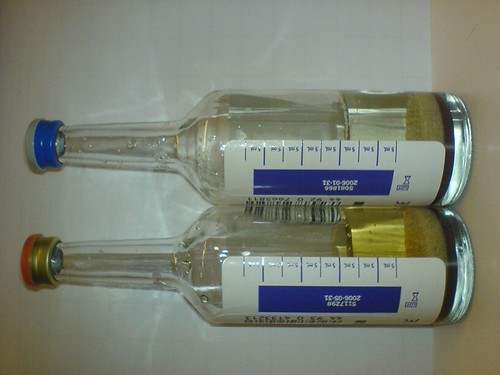
Model flags which patients with positive blood cultures may die within 30 days, study finds
Enfermedades infecciosas y microbiologia clinica (English ed.)"Medical Laboratory" by ben.dracup, CC BY 2.0.Model flags residual tumor after pituitary surgery in a 584-patient study
CNS Neuroscience & Therapeutics
The debate