 ace
acemachine learning prediction of 5-year Hoehn and Yahr scores in Parkinson's disease using real-world clinical and ioflupane SPECT data
Source article: Machine Learning Prediction of Hoehn and Yahr Scores at 5-Years Post-<sup>123</sup>I-Ioflupane SPECT Imaging in a Real-World Parkinson's Disease Dataset
Abstract: Background Parkinson's disease (PD) progression is highly heterogeneous, complicating clinical management and prognostication. While machine learning models have been developed using research datasets such as Parkinson's Precision Medicine Initiative (PPMI) and Parkinson's Disease Biomarkers Program (PDBP), their clinical translatability is limited due to differences in routinely collected data. The Hoehn and Yahr (H&Y) scale is commonly used in clinical practice to stage PD, yet most predictive models focus on…
Contested: both sides are scored from claims and sources, not community votes.
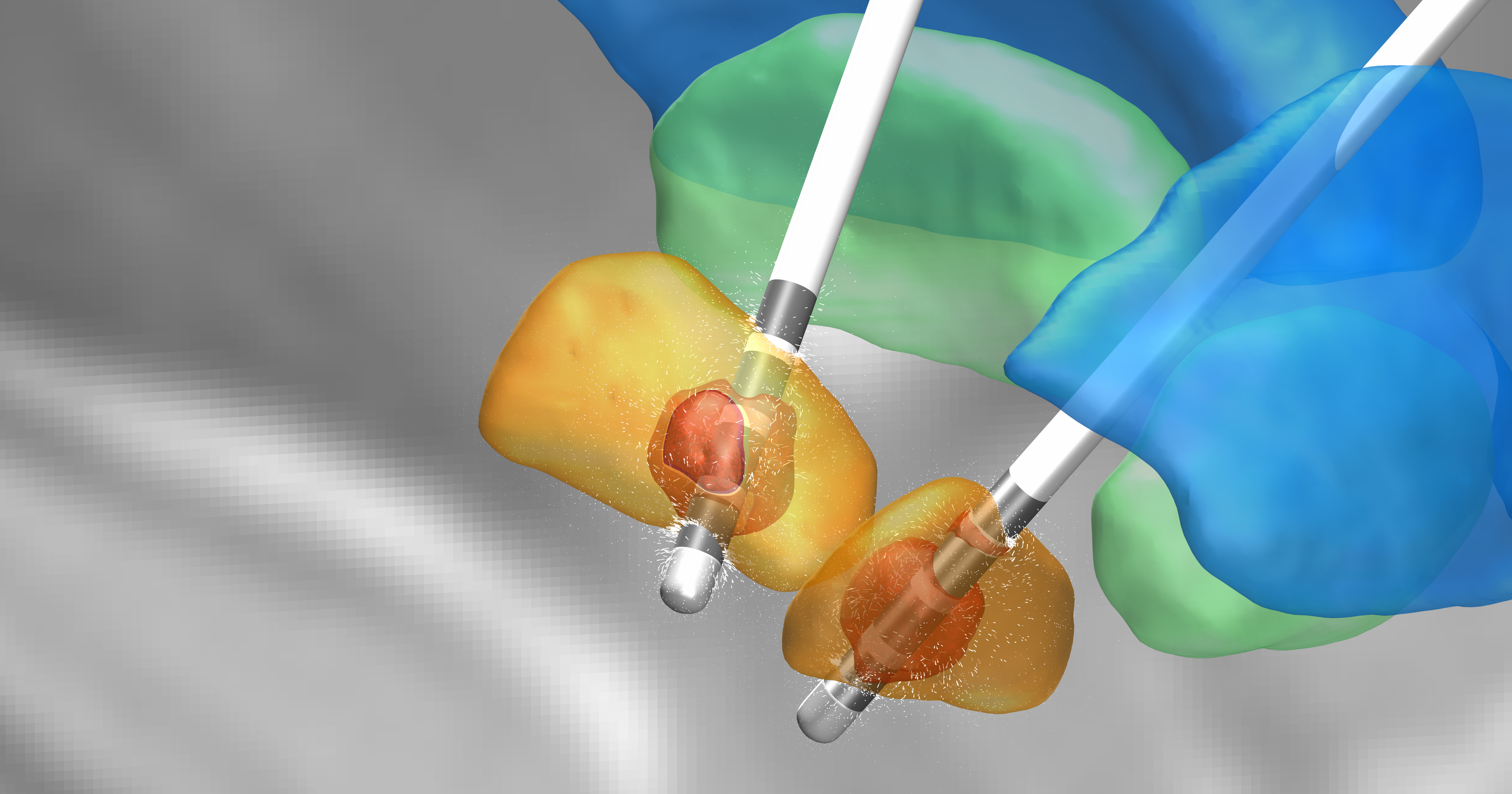
"Deep brain stimulation in a Parkinson's Disease patient" by Andreashorn is licensed under CC BY-SA 4.0. To view a copy of this license, visit https://creativecommons.org/licenses/by-sa/4.0/.
Researchers developed and validated Random Forest and Gradient Boosting models to predict Hoehn and Yahr scores 5 years after 123I-ioflupane SPECT imaging, using harmonized data from 343 real-world patients and 134 PPMI patients with 83 overlapping features. Models using 2 years of clinical follow-up achieved the highest accuracy, driven by early H&Y scores, gait severity, and select imaging features.
The finding matters because Parkinson's progression is heterogeneous and H&Y staging is widely used in practice, yet most models rely on research cohorts like PPMI and PDBP. The study shows routine clinical data can support 5-year prognostication but imaging adds little, and the implementation gap persists, leaving uncertainty about how to improve translatability and clinical utility.
- Study harmonized 343 real-world patients and 134 PPMI patients into merged dataset with 83 overlapping features.
- Random Forest and Gradient Boosting models were trained to predict 5-year H&Y scores using varying amounts of longitudinal data and imaging features.
- Most important predictors were early H&Y scores, gait symptom severity, and select imaging features.
Random Forest and Gradient Boosting models trained on routinely collected clinical records predicted Hoehn and Yahr scores 5 years after ioflupane SPECT imaging, with best accuracy using 2 years of follow-up data.
SPECT imaging features added limited prognostic value and implementing models on real-world data did not significantly close the gap between prognostic modeling and clinical implementation.
The rundown
Researchers harmonized medical records and imaging from 343 real-world patients and 134 PPMI patients, creating 83 overlapping features, and trained Random Forest and Gradient Boosting models to predict 5-year H&Y scores.
Results showed early H&Y scores and gait symptom severity were top predictors, while the study concluded that real-world implementation did not significantly improve the known gap between modeling and practice, though further model improvement remains promising.
Clinical translatability of prior models is constrained by differences between research and routine data, and imaging added little prognostic value in this real-world implementation.
Sources
- Peer-reviewedMovement Disorders Clinical Practice2026-07-25
How should this claim be treated?
The debate