 ace
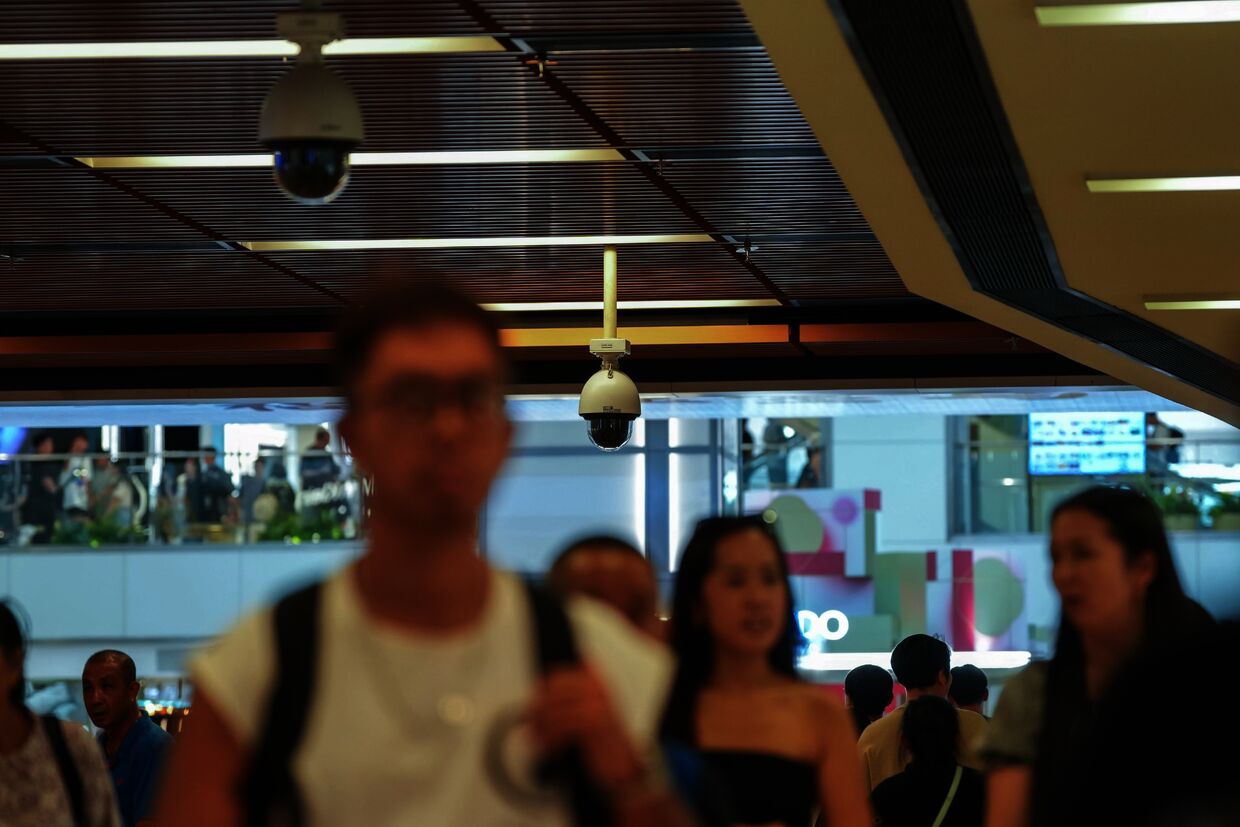
Hong Kong police to enable AI facial recognition on CCTV network this month
Use of technology will respect privacy rights and require authorisation by inspector or above, with data kept for up to 180 days, force says Hong Kong police will enable artificial intelligence-powered facial recognition technology across their expanding smart surveillance network this month to improve the tracking of missing persons or suspects, with plans to save the data it generates f
In brief
Hong Kong police will turn on AI-powered facial recognition across their SmartView surveillance camera network this month, aiming to track missing persons and suspects faster. Data the function generates, such as when and where a person appeared on camera, would be kept for up to 180 days.
Senior Superintendent Eric Leung Ming-leung said the system works two ways: officers can check whether a person appeared in specific footage within a time frame, and a real-time mode alerts police when a person such as a missing elderly resident appears on camera. These are the force's own claims about expected benefits, not measured results of the facial recognition function.
SmartView plans 60,000 cameras citywide by 2028 and will extend to private sites such as shopping centres and transitional housing. The privacy regulator said it would not comment on individual cases, and the force's privacy safeguards rest on its own procedures.
Main points
- Searches need approval from an officer at inspector level or above and must serve national security, crime prevention and detection, or public safety.
- Officers must justify how many cameras and how much footage they need, and the approving officer checks searches stay within scope.
- Raw footage is kept no more than 31 days, but facial recognition data may be kept up to 180 days because it takes less storage.
- Leung said longer retention helps because some cases happened six months or a year ago.
- SmartView, first rolled out in 2024, plans 60,000 cameras by 2028; it already uses AI for people counting and licence plate recognition.
- By the end of October, police said SmartView had helped solve 2,192 criminal cases, including murder, arson and theft, and arrest 2,831 people.
- Police are in talks with several shopping centres; the first private cameras could connect by the end of this year.
The gain
Hong Kong police say AI facial recognition on SmartView cameras will cut the time officers spend reviewing CCTV footage to find missing persons and suspects, freeing patrol officers for other investigative work.
The full story
The force said all SmartView cameras capture only public areas and that procedures rest on independent privacy impact assessments and discussions with the Office of the Privacy Commissioner for Personal Data. The commissioner said all data users must comply with the Personal Data (Privacy) Ordinance whether or not facial recognition is involved.
In the first phase police focused on cameras run by government departments and public organisations. The next phase would add private organisations, starting with places with higher pedestrian flows. Police said the response from shopping centres had been positive.
Secretary for Security Chris Tang Ping-keung previously said extra notices telling the public that a mall's cameras are linked to police may not be necessary, since many malls already display recording notices. Leung said police encourage malls to post notifications.
Sources
- JournalismThe Star2026-11-07

Three men charged in US with using AI to impersonate CEOs and steal millions
The Guardian
AI-powered malware ‘highly likely’ to be used to hack UK infrastructure by 2028
The Guardian
Like many authors, I’m bombarded by scam fan mail. I wasn’t prepared for what would happen when I wrote back
The Guardian
The debate