 ace
aceGoogle AI Mode adds more Connected Apps, including YouTube Music
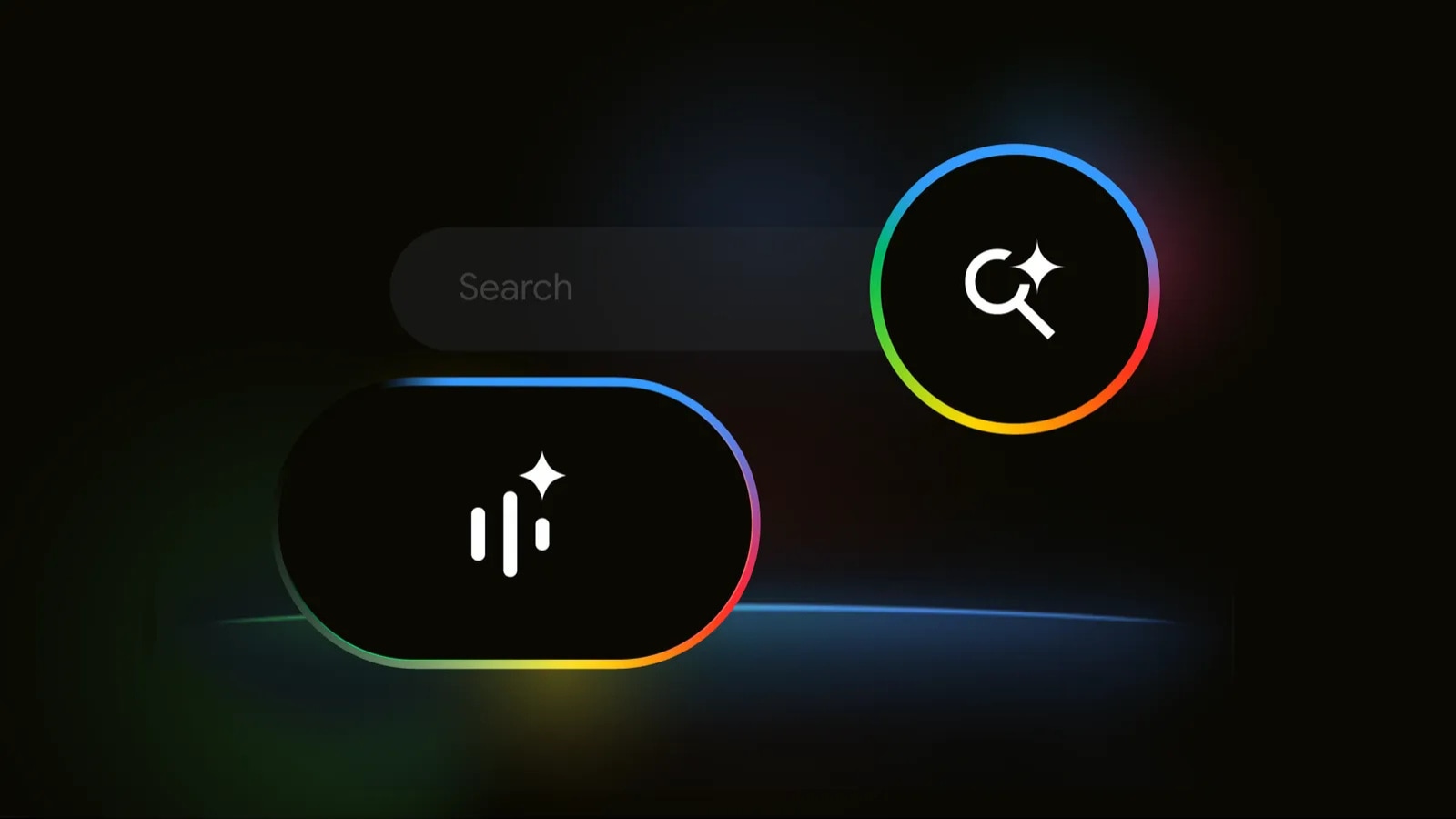
Google’s AI-powered Search experience now supports more third-party Connected Apps in AI Mode, including YouTube Music, Canva, and Instacart. This allows users to complete everyday tasks without leaving the AI interface. The feature, introduced in 2025, can now interact with third-party services and help with tasks like creating playlists, designing graphics, and preparing shopping lists.
In brief
On July 18, 2026, Google expanded its AI-powered Search experience called AI Mode to support more third-party Connected Apps, including YouTube Music, Canva, and Instacart. The feature, introduced in 2025, allows the AI interface to interact directly with external services.
The change matters because it consolidates routine personal tasks into a single AI search session, reducing app switching for everyday use. The short report does not provide adoption data, geographic availability, privacy controls, or performance measures for the new integrations.
Main points
- Google's AI-powered Search AI Mode expanded third-party Connected Apps support as of July 18, 2026.
- Newly added services include YouTube Music, Canva, and Instacart.
- Feature was originally introduced in 2025 and can interact with third-party services to complete tasks inside the AI interface.
The gain
Google's AI Mode now lets users complete everyday tasks like creating playlists, designing graphics, and preparing shopping lists through connected third-party apps without leaving the AI search interface.
The rundown
The announcement describes AI Mode as Google's AI-powered Search experience that can now interact with third-party services. The expansion adds YouTube Music, Canva, and Instacart to the Connected Apps list.
The stated use cases are creating playlists, designing graphics, and preparing shopping lists, framed as completing everyday tasks without leaving the AI interface. The feature history is noted as introduced in 2025.
Sources
- JournalismThe Indian Express2026-07-18



The debate