 ace
aceSynthetic Sincerity review – Marc Isaacs’ AI interrogation grapples with identity and existence
Marc Isaacs’ new film is a curious, intriguing, semi-sincere affair that I couldn’t make friends with. It is an odd, shallow piece of work about artificial intelligence that is itself exasperatingly artificial, a self-aware docudrama hybrid. Isaacs is, or rather pretends to be, licensing the vivid characters from his previous, acclaimed documentaries to a fictional AI research lab called Synthetic Sincerity at the fictional University of Southern England, so that the lab’s software can be “trained” in the creati…

In brief
On 14 July 2026 The Guardian reviewed Marc Isaacs' docudrama hybrid Synthetic Sincerity, in which Isaacs pretends to license characters from his earlier documentaries to a fictional AI lab at the fictional University of Southern England to train software to create AI human figures, including an AI avatar modelled on actor Ilinca Manolache and an AI version of London restaurateur Ablikim Rahman.
The piece matters because it surfaces unresolved questions about using AI to replicate real people for therapeutic or dramatic purposes, including consent transparency and dignity, and it leaves unclear how the face transformation was negotiated and whether the therapeutic benefit claim is justified or fictional conceit.
Main points
- Marc Isaacs licenses characters from his previous documentaries to a fictional lab called Synthetic Sincerity at the fictional University of Southern England.
- The lab's research staff are played by actors including Lebanese independent film-maker Lynn El Safah.
- An AI avatar whose face is digitally modelled on Romanian actor Ilinca Manolache debates the project with Isaacs.
- The film creates an AI image of real London restaurateur Ablikim Rahman speaking about emotional challenges.
The problem
Creating an AI version of a real exiled Uyghur man to speak for him is presented as patronising, and the film omits how an actor's face was obtained and transformed into an AI figure.
The rundown
Isaacs stages scripted conversations with a disapproving AI avatar modelled on Ilinca Manolache, described as like Max Headroom of old, while the fictional lab staff navigate invented institutional pressures.
The review, published 14 July 2026 ahead of UK and Irish cinema release from 17 July, describes the Rahman AI image as seeming more real than the Manolache face and questions the rationale for therapeutic substitution.
Sources
- JournalismThe Guardian2026-07-14
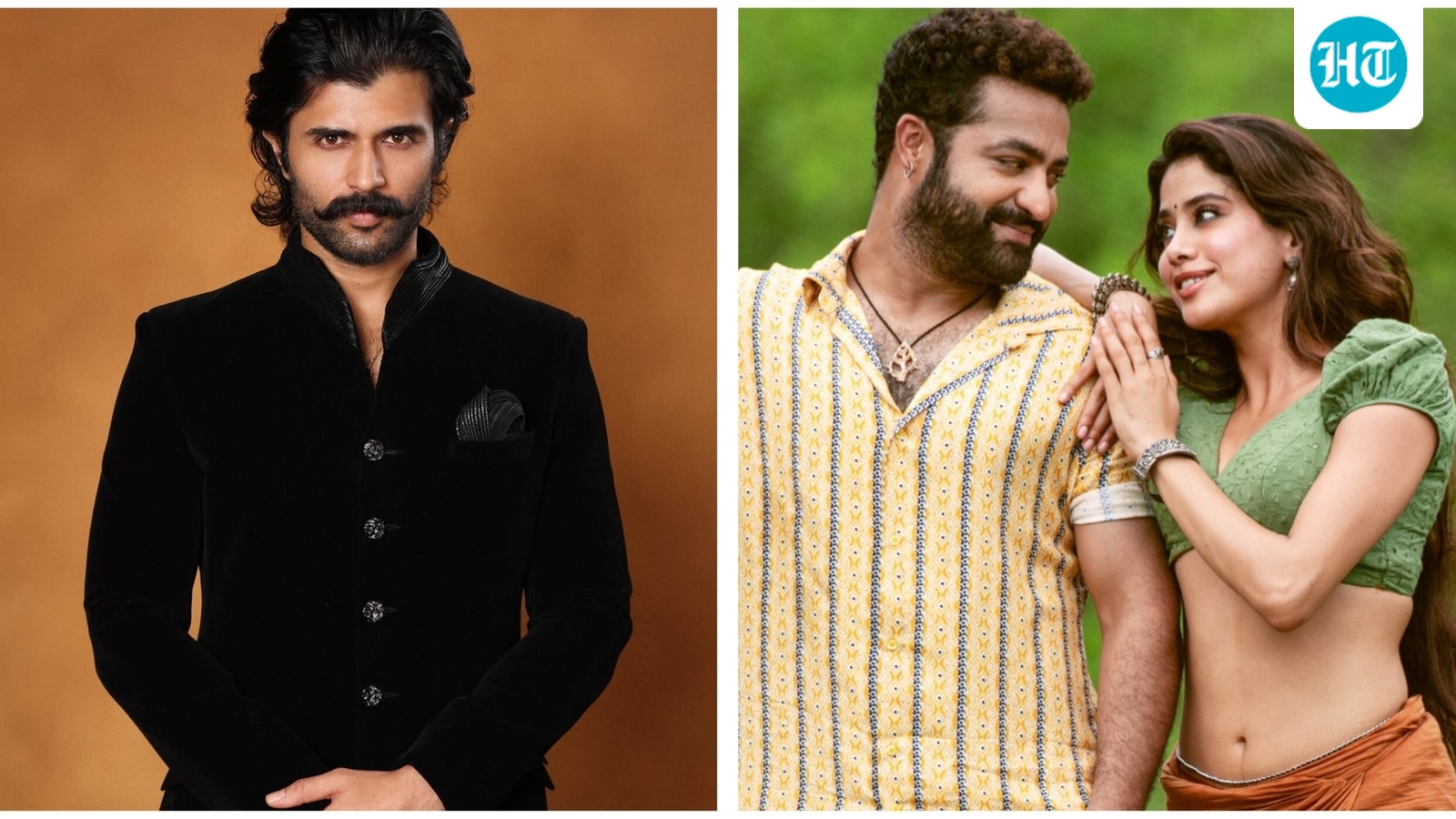
Vijay Deverakonda slams AI-morphed Chuttamalle video of Jr NTR and Janhvi Kapoor, calls for strict action: ‘Digital equivalent of sexual assault’
Hindustan Times
'Urgent to Distinguish Human Art'
Breitbart News Network
Chiranjeevi urges film fraternity to unite against misuse of AI after morphed 'Chuttamalle' video
Lokmat Times
The debate