 ace
Emerging evidence
More
Hong Kong rolls out AI facial recognition system
- Evidence type
- News report
- Sources
- 1 sourceJournalism
- Published
- 2 min read
- Truvace record
- TRV-2026-2986cite or check it
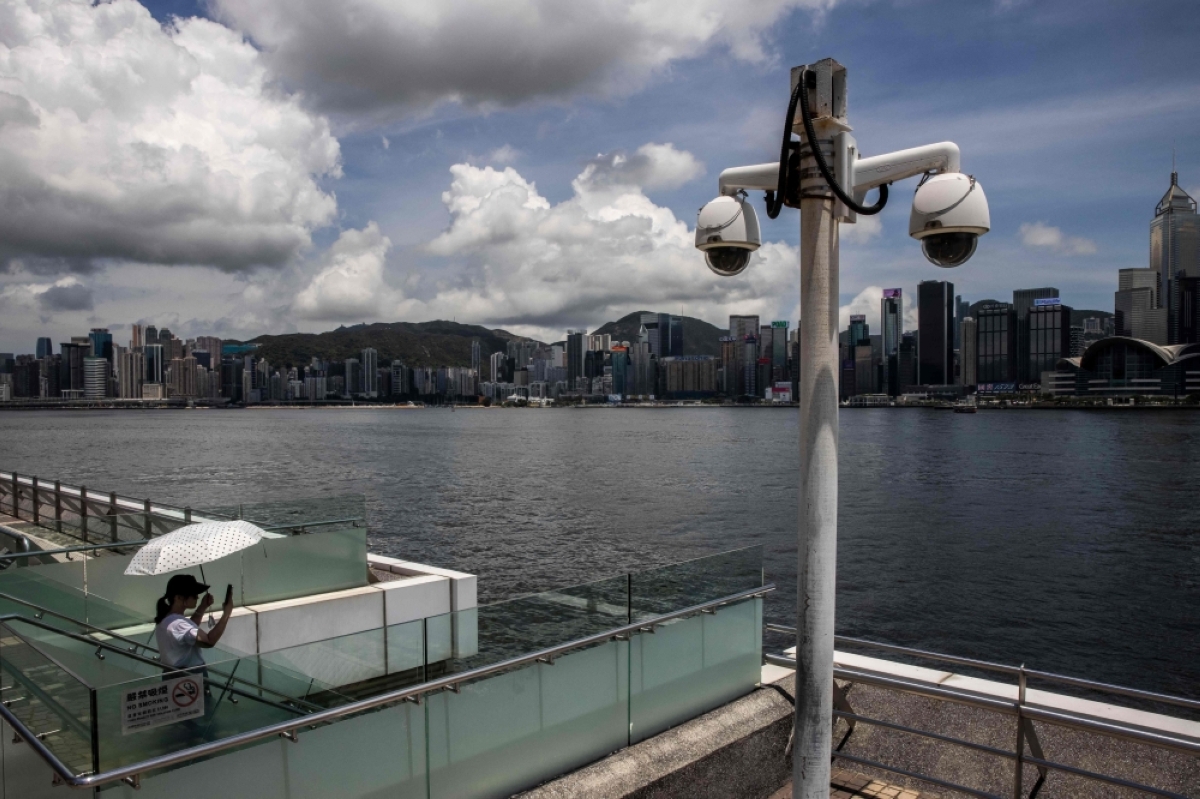
HONG KONG — Hong Kong rolled out AI-powered facial recognition functions across its camera surveillance system on Monday, expanding monitoring of public spaces in the name of national security and crime-prevention. HONG KONG — Hong Kong rolled out AI-powered facial recognition functions across its camera surveillance system on Monday, expanding monitoring of public spaces in the name of national security and crime-prevention. China has tightened control over Ho
The problem
Hong Kong police began running AI facial recognition across their CCTV network on Monday, and critics and a resident warn of privacy invasion, misuse and wrongful arrests from false matches.
In brief
Hong Kong police rolled out AI-powered facial recognition across the city's camera surveillance system on Monday, under an operation called SmartView. Police commissioner Joe Chow called it a "safeguard for law-abiding citizens" and said it boosts existing surveillance, and the city's justification is national security and crime prevention.
The expansion comes as China has tightened control over Hong Kong since the 2019 pro-democracy protests. Security chief Chris Tang told lawmakers last year that the AI functions would monitor crowds, read license plates and be applied to people, such as when tracking a criminal suspect. Chow acknowledged that many people are concerned but said the system "won't be abused".
Authorities plan to raise the camera count from roughly 5,000 to 60,000 by 2028, according to documents submitted to the legislature. Residents interviewed by AFP were divided, and critics elsewhere point to unchecked government power, false matches and a lack of transparency.
Main points
- Hong Kong police turned on AI facial recognition functions across their CCTV system on Monday, as part of the SmartView operation.
- About 5,000 CCTV cameras have been installed since SmartView launched in 2024; police credit them with solving nearly 2,200 cases and more than 2,800 arrests.
- Documents submitted to the legislature show a plan to increase the number of cameras to 60,000 by 2028.
- Security chief Chris Tang told lawmakers last year the AI tools will monitor crowds, read license plates and be applied to people, such as tracking a criminal suspect.
- A finance worker in his 40s surnamed Li said he worried about misuse, while another resident, Saturday Zhou, said people on the mainland have got used to such cameras.
The full story
Commissioner Joe Chow announced the Monday rollout over the weekend and told local media that the system "won't be abused", while admitting that many people may be concerned. He described the tools as protecting law-abiding citizens and strengthening existing surveillance capabilities.
Residents offered contrasting views to AFP. Li, who declined to give his full name for safety reasons, said "there are no secrets left anywhere" because tools have already collected people's data and facial images. Zhou was less concerned, noting that AI-powered CCTV is already common in mainland Chinese cities.
The article places the rollout within wider debate on state surveillance. An Australian Strategic Policy Institute report last year warned that Chinese government use of AI tools enables it to automate censorship, enhance surveillance and pre-emptively suppress dissent, and similar technology has been adopted in Britain, where critics argue it grants the government unchecked power to invade privacy.
Sources
1 on file- The Manila Timesmanilatimes.net
Talk it over
Police credit the roughly 5,000 cameras with solving nearly 2,200 cases and more than 2,800 arrests, before the facial recognition went live. What evidence would show whether the AI itself adds anything?
Hong Kong rolls out AI facial recognition systemhttps://truvace.com/item/hong-kong-rolls-out-ai-facial-recognition-system
Police credit the roughly 5,000 cameras with solving nearly 2,200 cases and more than 2,800 arrests, before the facial recognition went live. What evidence would show whether the AI itself adds anything?
Answer in the threadCommissioner Joe Chow said the system "won't be abused", while a finance worker surnamed Li worried about misuse. What safeguards would you want in place before accepting that promise?
Answer in the threadAuthorities plan to go from roughly 5,000 cameras to 60,000 by 2028. Who should decide how far the system grows, and who should check how it is used?
Answer in the thread
If you have more time
Critics point to false matches and wrongful arrests. How could a city measure and publish how often a facial recognition match is wrong?
Answer in the threadSaturday Zhou said people on the mainland have got used to such cameras. How might public attitudes in your own town change as cameras become familiar?
Answer in the thread
Related records
Health
Better prompt fixed unsafe AI cancer advice in a Hong Kong test, but only on 25 questions
Journal of Medical Internet ResearchEducation
Teachers fear AI over-reliance far more than students do, in a mostly Hong Kong survey
Smart Learning Environments
Crime
Trial of live facial recognition in London stations leads to a false positive and no arrests
The Guardian




What readers say