 ace
Emerging evidence
More
Coinbase AI Blocked $4.7M In Deepfake Musk Scam
- Evidence type
- News report
- Sources
- 1 sourceJournalism
- Published
- 3 min read
- Truvace record
- TRV-2026-3050cite or check it
Coinbase said its AI scam-prevention agent stopped about $4.7 million, or 91% of attempted sends, from reaching a deepfake Elon Musk crypto giveaway scam. Coinbase (COIN) said its AI scam-prevention agent stopped about $4.7 million in customer funds from reaching scammers who used a deepfake of Elon Musk to pitch a fake Tesla crypto giveaway, blocking roughly 91% of the money customers tried to send. T
49Gain side
How the two sides scoreClose call
50Problem side
The gain
Coinbase said its AI scam-prevention agent blocked about $4.7 million, roughly 91% of the money customers tried to send, to a deepfake Elon Musk crypto giveaway scam, with no humans in the loop.
The problem
Coinbase's figures imply about $460,000 still left customers' accounts during the deepfake Musk giveaway scam, even with its AI agent running, and the company did not say how much reached the scammers.
A fixed formula sets both scores from the evidence and its sources. Reader votes don’t move them.
What the scores mean
G is the gain side, out of 100. It goes up when the gain is specific, when it measurably helped people and when the sources behind it are strong.
P is the problem side, out of 100. It goes up when the problem is specific, when it measurably hurt people and when the sources behind it are strong.
In brief
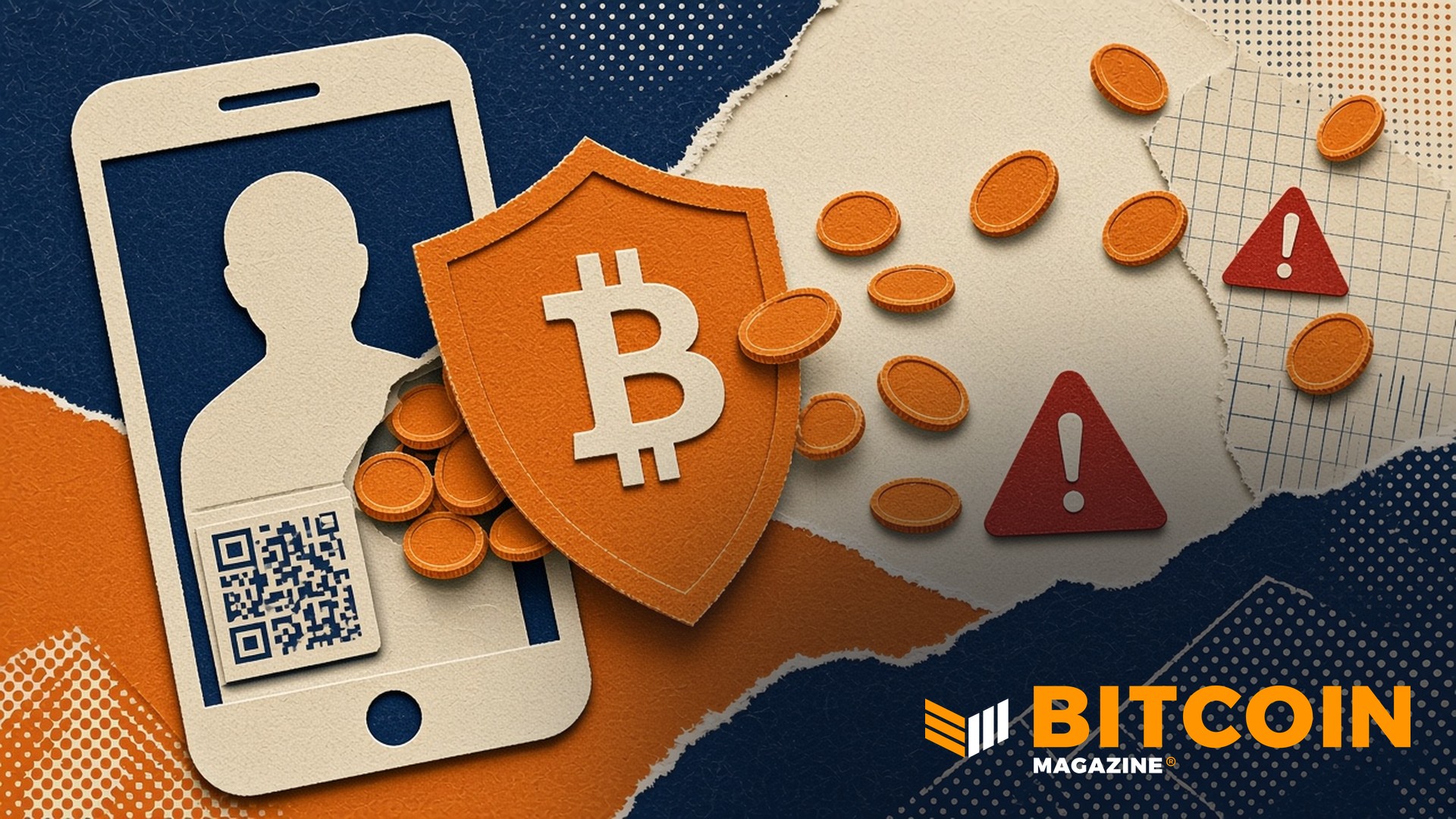
Coinbase said its AI scam-prevention agent stopped about $4.7 million in customer funds from reaching scammers who used a deepfake of Elon Musk to promote a fake Tesla crypto giveaway. That was roughly 91% of the money customers tried to send. The company described the incident in a Tuesday blog post and said the system worked with no humans in the loop.
The scam was a YouTube livestream timed to Tesla's flying car demo, with a deepfake Musk, on-screen wallet addresses and a QR code promising to double any crypto sent. More than half a million people watched, Coinbase said, and hundreds of its customers tried to send millions of dollars over about two hours.
The two figures imply customers tried to send about $5.2 million and that roughly $460,000 still left their accounts. Coinbase did not say how much reached the scammers, when the stream ran or which coins customers tried to send. The numbers are the company's own account of its own system.
Main points
- Coinbase said the agent stopped about $4.7 million, roughly 91% of attempted sends, so about $5.2 million was implied to have been attempted.
- Roughly $460,000 still left customer accounts, by the article's arithmetic from Coinbase's figures.
- The fake livestream ran during Tesla's flying car demo and drew more than half a million viewers, Coinbase said.
- Over about two hours, hundreds of Coinbase customers, many of them long-time users, tried to send millions of dollars to the on-screen addresses.
- Coinbase said no account was hacked; customers logged in and confirmed the sends themselves, which makes giveaway fraud hard to stop.
- The agent had never been trained on deepfake giveaways tied to a live launch, but recognised the promise to multiply funds, the live-event deadline and an irreversible transfer.
- Coinbase is expanding AI review to every type of scam and using AI to label new cases so models learn from attacks within hours instead of weeks.
The full story
Coinbase says its defense has three parts. Machine learning models score outgoing sends in real time, looking for giveaway patterns, brand impersonation and newly created wallet addresses. When a send is flagged, a scam-specific agent looks up context, names the scam pattern, explains how giveaway schemes work and asks questions meant to make the story fall apart. Each reply is scored for confidence before the customer sees it, so the system knows when more friction is needed.
The company stressed that its platform was not breached: no account was broken into, no password stolen, no credential phished. Because customers authorised the transfers themselves, defenses that look for unauthorised activity do not catch this fraud. Coinbase wrote that its systems can see risk signals in real time but cannot see intent.
Coinbase said deepfakes have changed the economics of such scams: staging one once took a crew, a studio and weeks, and now takes a livestream slot and a model. The post was part of a weekly consumer-protection series. Coinbase closed it with a list of things it will never do, including promising to double, triple or multiply crypto that customers send.
What this doesn’t fix
The $4.7 million and 91% figures come from Coinbase's own blog post, and the company did not say how much reached the scammers, when the fake stream ran or which coins customers tried to send.
Sources
1 on file- Bitcoin Magazinebitcoinmagazine.com
Talk it over
Coinbase said its agent blocked about $4.7 million, roughly 91% of attempted sends, while about $460,000 still left customer accounts. How do you weigh those two figures against each other?
Coinbase AI Blocked $4.7M In Deepfake Musk Scamhttps://truvace.com/item/coinbase-ai-blocked-4-7m-in-deepfake-musk-scam
Coinbase said its agent blocked about $4.7 million, roughly 91% of attempted sends, while about $460,000 still left customer accounts. How do you weigh those two figures against each other?
Answer in the threadThe figures come from Coinbase's own blog post, and the company did not say how much reached the scammers. What independent check would you want before trusting the 91% figure?
Answer in the threadIf you were one of the hundreds of customers trying to send crypto to the on-screen addresses, what kind of message from the agent would make you stop?
Answer in the thread
If you have more time
Coinbase said customers logged in and confirmed the sends themselves, so defenses looking for unauthorised activity missed it. Who should be responsible for stopping that kind of fraud?
Answer in the threadCoinbase says AI labelling lets models learn from new attacks within hours instead of weeks. What records would show whether that speed catches the next scam?
Answer in the thread




What readers say