 ace
Emerging evidence
More
Exclusive: Publisher Spines raises $64 million in funding for AI-driven book publishing platform
- Evidence type
- News report
- Sources
- 1 sourceJournalism
- Published
- 2 min read
- Truvace record
- TRV-2026-2451cite or check it
Spines uses AI agents to edit and translate manuscripts, design book covers, produce audiobooks, and market books. Spines is also announcing that its new AI-powered services have helped it hit a $50 million annual revenue run rate, representing 400% year-over-year growth. The company has published more than 8,000 authors to date, accounting for some 12,000 titles
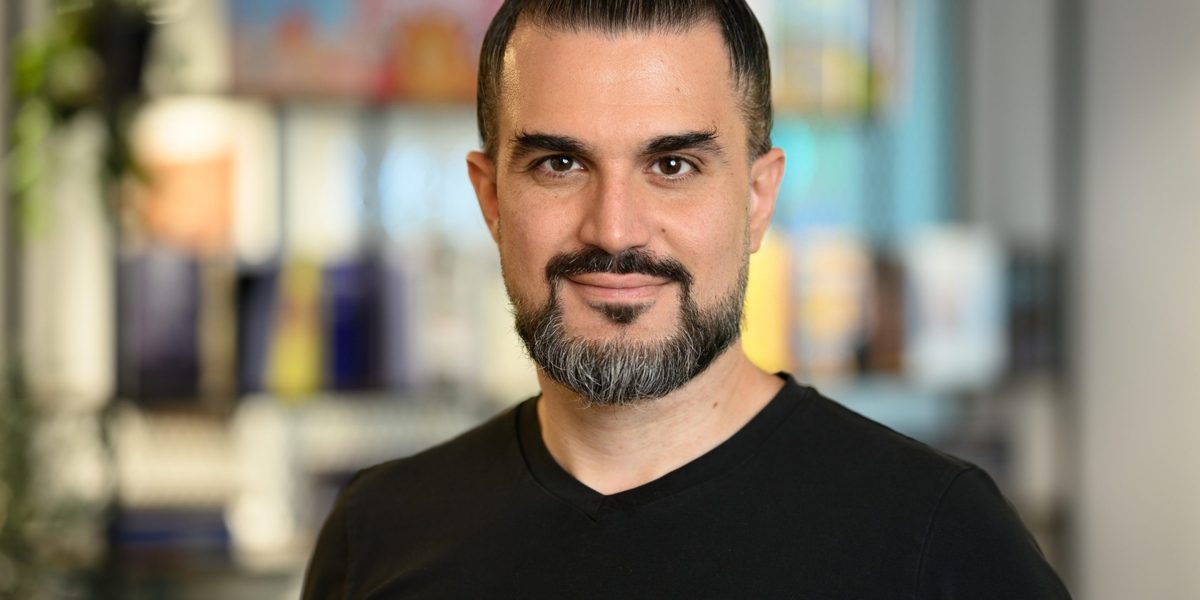
The gain
Spines' CEO says its AI agents cut the path from manuscript to bookstore shelves from many months or more than a year to just weeks, and that the company has published more than 8,000 authors.
In brief
Spines, a hybrid publisher with offices in Israel and New York, has raised $64 million: a $29 million Series A-1 equity round led by Zeev Ventures and a $35 million non-dilutive growth facility from Twelve. The company declined to disclose its valuation.
Spines says AI agents edit, design covers, translate, produce audiobooks and market books for authors without a traditional publishing deal. CEO Yehuda Niv says the company has reached a $50 million annual revenue run rate, up 400% year over year, and has published more than 8,000 authors with some 12,000 titles.
Most of the evidence comes from the company's own CEO, who says about 400 new writers sign up each month. Niv says human authors write every book, but the article notes that AI-designed covers may raise copyright issues, since U.S. courts and the Copyright Office have held that images made entirely by AI can't be copyrighted.
Main points
- Funding: $29 million Series A-1 led by Zeev Ventures, plus $35 million from Twelve; investors include Aleph, NordStar, M-Fund, LionTree and Dan Senor.
- Growth claim: a $50 million annual revenue run rate, 400% year-over-year growth, and roughly 400 new writers signing up each month, per the CEO.
- Pricing: packages run from about $3,000 to $20,000 for a three-language premium tier; most authors choose a $5,000 to $7,000 bundle.
- Royalties: authors now keep 80% of net royalties, up from 70%, with monthly reporting instead of the industry's twice-yearly or annual statements.
- Languages: seven target languages today, with a plan for 20 within six months.
- Staffing: about 350 employees, only about 50 in R&D; most handle customer support, since the CEO says authors must make choices such as picking a cover.
- Next step: early talks with one of the Big Five U.S. publishers about using Spines' agents to run its services.
The full story
Authors upload a finished manuscript and specialized agents handle editing, proofreading, formatting, cover design, metadata, ebook and print-on-demand files, and distribution to more than 100 channels including Amazon, Barnes & Noble and Baker & Taylor. Authors can also make audiobooks with a synthetic narrator or a clone of their own voice, and translate the book and audiobook.
Niv founded Spines in 2021 after building Niv Publishing, which he says became Israel's largest publishing house at about 1,200 titles a year. He argues the cover agent beats typical freelancers because it reads the manuscript and designs to metrics for retail categories.
Spines says it publishes only books written 100% by humans and uses software to try to weed out AI-generated manuscripts. It licenses its image-generation tools and passes a license to authors, which Niv says is often broader than what human illustrators grant.
Niv plans to use the debt to fund growth and the equity to build the product and expand into the U.K., Canada and Australia, aiming for 200% to 300% annual growth.
Talk it overFour questions for a class, a team or the dinner table
Who gets this benefit, and who was left out of the study or story?
The gain Spines' CEO says its AI agents cut the path from manuscript to bookstore shelves from many months or more than a year to just weeks, and that the company has published more than 8,000 authors.
How do we know? What can this kind of evidence show, and what can’t it?
The evidence This rests on a news report, from Fortune.
What does it leave open? What else would you want to know before acting on it?
The record’s own caveat Spines' growth, speed and author-count figures come from its CEO, and U.S. courts and the Copyright Office have held that images made entirely by AI can't be copyrighted, which may complicate AI-designed covers.
Have you seen AI used this way where you study, work or live? Did it go the same way?
The questions are the same on every record. The details under them are taken from this record as written.
Sources
1 on file- Fortunefortune.com
Related records
Evidence-backed problemHealth
Nearly 9 in 10 reviews of AI in spine surgery spun their findings in the abstract
Journal of Neurosurgery: Spine
Evidence-backed problemMedia & Arts
Book publishers sue Google for copyright infringement over Gemini AI training
The Guardian
More from Media & Arts
Evidence-backed problem
Half of New Games on Steam Are Now Made With AI. How Does This Reflect the Gaming Industry?
CNET
Evidence-backed problem
Elvis Presley and Eminem rights holders sue Suno over alleged copyright infringement
India Today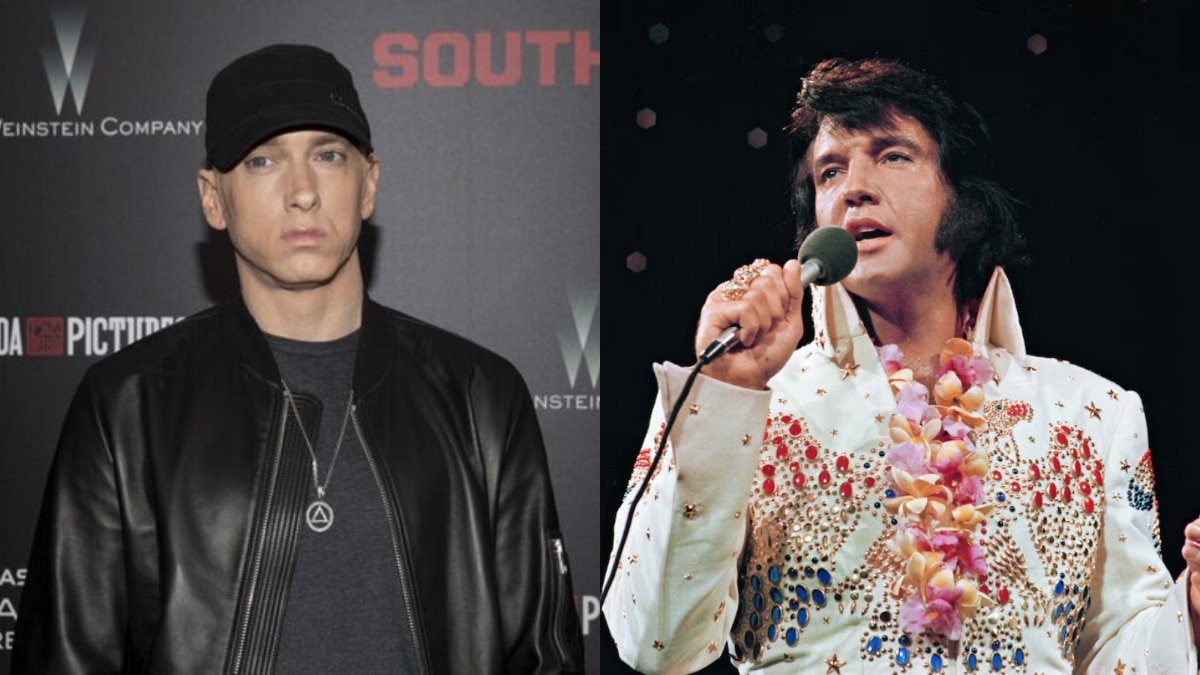
Evidence-backed gain
CAA Partners with Ogilby to Launch AI-Generated Celebrity Ad Tool
The Hollywood Reporter
Evidence-backed gain
Christopher Nolan talks about the DGA’s guidelines against AI usage in films and ‘The Odyssey’s protection against AI training models: ‘We have to strongly resist that'
Times of India
The debate