 ace
Moderate evidence
More
57 indicted over NT$900 million voice-cloning romance scam
- Evidence type
- Regulatory or legal action
- Sources
- 1 sourceJournalism
- Published
- 2 min read
- Truvace record
- TRV-2026-2947cite or check it
Taipei, Sept. 2 (CNA) Prosecutors in Taipei on Wednesday indicted 57 people in connection with a sophisticated romance scam that allegedly defrauded more than 20,000 people out of at least NT$900 million (US$28.32 million) using voice-cloni…
The problem
Taipei prosecutors allege a 57-person ring used AI voice-changing software to pose as women on phone calls, defrauding more than 20,000 people of at least NT$900 million (US$28.32 million) since 2022.
In brief
Prosecutors in Taipei indicted 57 people on Wednesday over a romance scam that allegedly took at least NT$900 million (US$28.32 million) from more than 20,000 victims. The Taipei District Prosecutors Office said the group was led by a man surnamed Huang and his wife, surnamed Hsu.
Prosecutors say an engineer surnamed Chung built AI voice-changing software that let team members impersonate women from the group's public relations team on phone calls. The tool helped the ring keep up the false identities that dating-app profiles created from the beginning of 2022.
The defendants face charges under the Fraud Crime Hazard Prevention Act, the Money Laundering Control Act and Criminal Code provisions on internet fraud by three or more people. Prosecutors are seeking at least 25 years for Huang and 18 years for Hsu. The allegations have yet to be tested in court.
Main points
- 57 people were indicted by Taipei prosecutors on Wednesday, September 2, 2026.
- The ring allegedly defrauded more than 20,000 people of at least NT$900 million (US$28.32 million).
- An engineer surnamed Chung allegedly developed AI voice-changing software used to impersonate women on calls with victims.
- The group was split into lead-generation, new-customer, public relations and returning-customer teams.
- Victims were first sold items priced around NT$1,000-2,000, such as fish oil and power banks, then asked for gifts and money for living expenses, medical bills and cosmetic surgery debts.
- Prosecutors seek at least 25 years for Huang and 18 years for Hsu.
The full story
According to prosecutors, the scheme began in 2022 when a lead-generation team set up dating-app profiles using photos and names of women, including members of the public relations team. Interested users were passed to a new-customer team that chatted as those women and persuaded them to buy low-priced products under the pretext of helping meet sales targets.
A cultivation team then built romantic relationships and asked for gifts such as phones, air purifiers and hair dryers. Public relations team women met some victims in person and collected cash and gifts, which went back to the group. A returning-customer team later solicited money for living expenses, medical bills, cosmetic surgery debts and beauty and tattooing courses from businesses run by associates.
The ring's leaders held monthly review meetings where members who missed targets were allegedly subjected to physical punishments. The defendants were charged under the Fraud Crime Hazard Prevention Act, the Money Laundering Control Act and Criminal Code provisions on internet fraud committed by three or more people.
Sources
1 on file- Focus Taiwan - CNA English Newsfocustaiwan.tw
Talk it over
Prosecutors say Chung built AI voice-changing software so team members could pose as women on phone calls. How much of the alleged fraud do you think depended on the voice tool, compared with the dating-app profiles and the in-person meetings?
57 indicted over NT$900 million voice-cloning romance scamhttps://truvace.com/item/57-indicted-over-nt-900-million-voice-cloning-romance-scam
Prosecutors say Chung built AI voice-changing software so team members could pose as women on phone calls. How much of the alleged fraud do you think depended on the voice tool, compared with the dating-app profiles and the in-person meetings?
Answer in the threadVictims were first sold items priced around NT$1,000-2,000, then asked for gifts and money for medical bills and cosmetic surgery debts. If you were one of them, what would have made you stop?
Answer in the threadThe allegations have yet to be tested in court, and prosecutors seek at least 25 years for Huang and 18 years for Hsu. What evidence would you want to see before judging how the voice software figured in the case?
Answer in the thread
If you have more time
The ring allegedly used dating-app profiles from the beginning of 2022. What would you look up about how apps and phone companies could spot this kind of pattern?
Answer in the threadThe group was split into lead-generation, new-customer, public relations and returning-customer teams. Which of these roles would be easiest for regulators to interrupt, and why?
Answer in the thread
Related records
Crime
Trio used AI to impersonate corporate execs, defrauding companies of nearly $130 million: DOJ
ABC News
Crime
Cyber fraud alert: SBI warns about AI voice-cloning scams - 5 ways to protect your money
Livemint
Crime
Mumbai Cyber Fraud: 69-Year-Old Senior Citizen Loses ₹50 Lakh In AI Voice-Cloning Scam
Free Press Journal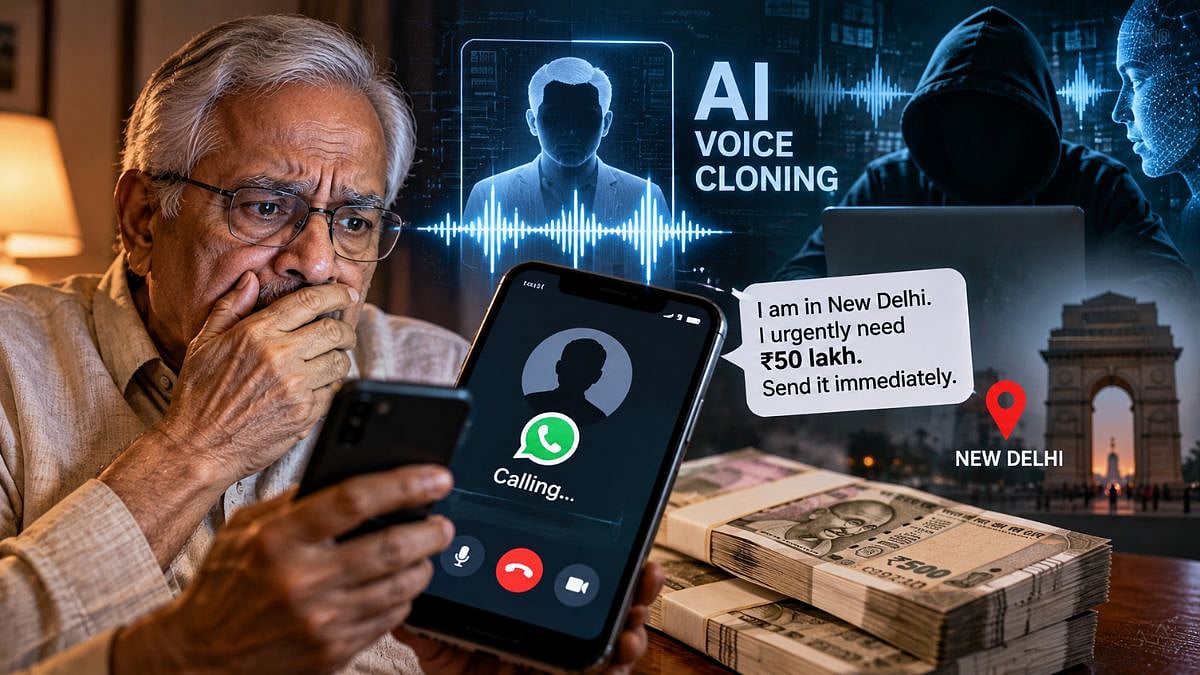
Media & Arts
AI tool that copied actor’s ‘lustrous’ voice violated his rights, Tokyo court rules
The Guardian



What readers say