 ace
Emerging evidence
More
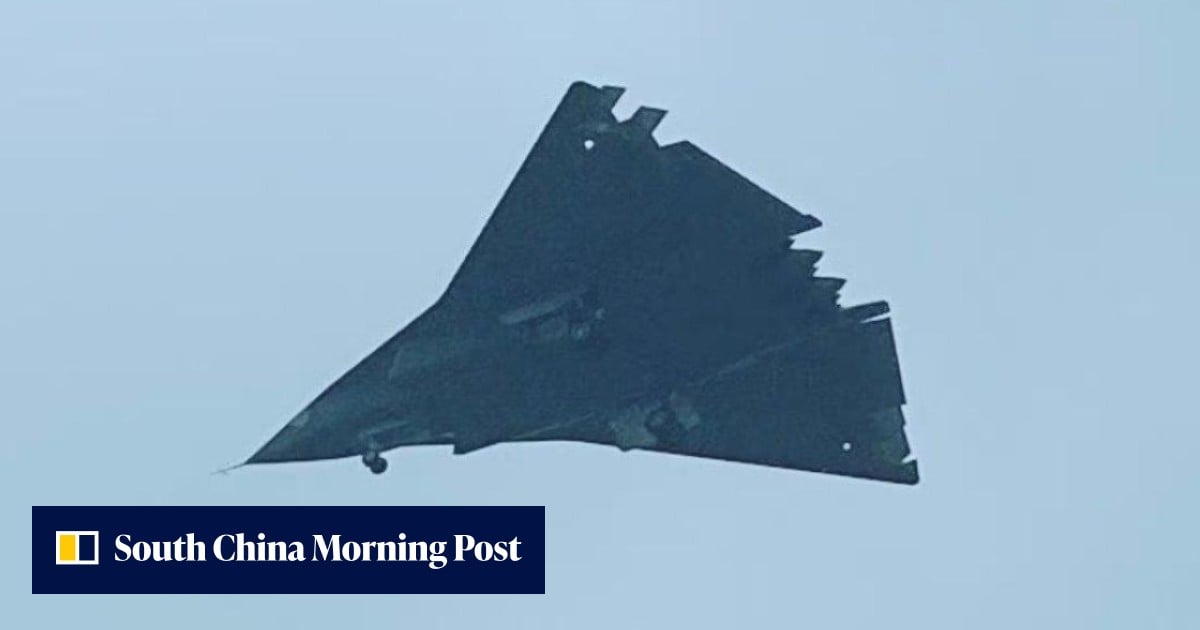
China’s J-36 fighter jet designers report danger of military AI hallucinations
- Evidence type
- News report
- Sources
- 1 sourceJournalism
- Published
- 1 min read
- Truvace record
- TRV-2026-0838cite or check it
Content generated by artificial intelligence models can ‘defy basic physics, design principles or operational constraints’.
The problem
AI models used in military aircraft design can hallucinate and generate content that defies basic physics, design principles and operational constraints, risking unworkable or unsafe fighter jet concepts.
In brief
On August 19, 2026, designers linked to China's J-36 fighter jet program reported a danger from military AI hallucinations, stating that content generated by AI models can defy basic physics, design principles or operational constraints.
The finding matters because use of generative AI in defense design without rigorous checks could lead to proposals that are physically impossible or operationally unusable, increasing risk and rework.
Main points
- Warning comes from designers associated with China's J-36 fighter jet program about military AI use.
- Reported failure mode is AI hallucination generating content that violates real-world engineering limits.
- Specific violations cited include outputs that defy physics, design principles and operational constraints.
The full story
The report identifies hallucination as the mechanism, where generative models produce outputs that appear plausible but are not grounded in physical or engineering reality.
The context is military aviation engineering for the J-36 program, a high-stakes domain where design errors carry safety and operational costs, making validation of AI-generated content critical.
Sources
1 on file- South China Morning Postscmp.com


What readers say