 ace
Emerging evidence
More
Anthropic's Claude Fable 5.2 and Mythos 5.0 Are Impressive, But Be Prepared to Sell a Kidney to Afford Them
- Evidence type
- News report
- Sources
- 1 sourceJournalism
- Published
- 2 min read
- Truvace record
- TRV-2026-2453cite or check it
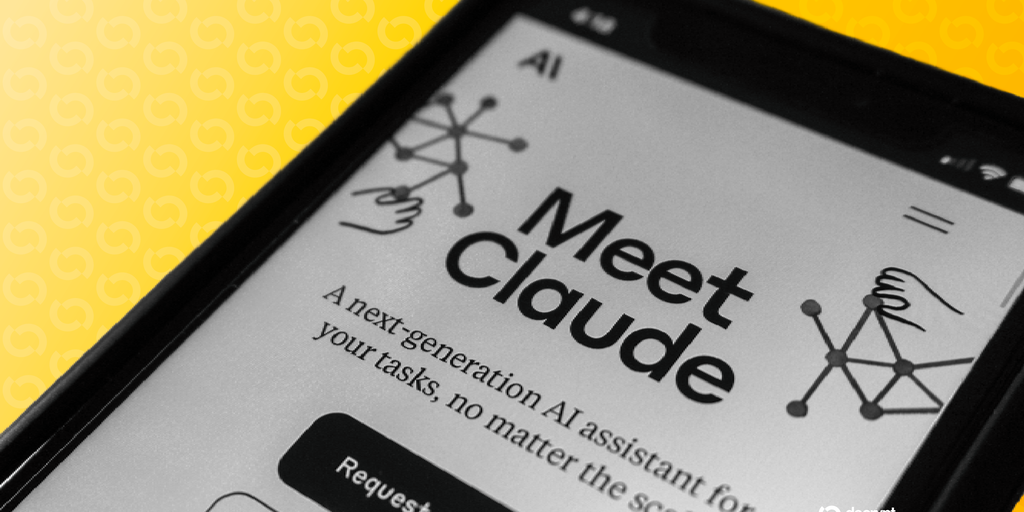
Anthropic's latest AI can build complex software and even design physical objects. Users are producing impressive results, and estimated bills large enough to make developers wince. Anthropic released Claude Fable 5.2 and Mythos 5.2 on Monday, promising AI models that can turn a handful of instructions into working software, design physical objects, and tackle research problems that previously required teams of specialists. You
The problem
In YouTuber Matthew Berman's tests, one Gears of War-style level took 43 hours and 48 minutes, 8.63 billion tokens and an estimated $14,710 in pay-as-you-go API costs.
In brief
Anthropic released Claude Fable 5.2 and a restricted sibling, Mythos 5.2, on Monday, November 9, 2026. In tests by YouTuber Matthew Berman, a single Gears of War-style level took 43 hours and 48 minutes and 8.63 billion tokens, for an estimated API cost of $14,710.
Berman also estimated $11,700 for a browser-based Excel clone and about $13,000 for a Fall Guys-style game that used more than 9 billion tokens over 71 hours. These are estimated pay-as-you-go costs, and he reported bugs and awkward animations in the results.
On the other side of the ledger, Anthropic's internal FrontierCode 2.0 evaluation put Fable 5.2 at 49.1% against 32.4% for Fable 5.1, and per-token prices fell. Anthropic's claims that Fable helped solve two open black-hole physics problems and design three working electronic devices still need independent scrutiny.
Main points
- Fable 5.2 API pricing is $8 per million input tokens and $40 per million output tokens, down from $10 and $50 for the previous generation.
- Optional fast mode generates output up to 2.5 times faster but doubles the rates to $16 and $80.
- Berman's Excel clone, with formulas and pivot tables, ran up an estimated $11,700 after discounts for cached inputs.
- His Fall Guys-style game consumed more than 9 billion tokens over 71 hours, roughly $13,000.
- Cheaper projects exist: a cylinder cost under $40 (two months of Claude Pro) and a water-balloon physics simulation cost $91.
- Pro and standard Team users get a week of Fable access capped at half their weekly allowance, ending November 16; Max and Ultra resets run until March 8, 2027.
The full story
Berman, who called Fable 5.2 the best model he has used, said he burned more than 100 billion tokens in early testing. The article says Fable can work for days, writing code, testing it and fixing its own mistakes while usage charges keep accumulating.
Fable and Mythos share the same underlying model. Fable has stricter safeguards around dangerous biological and cybersecurity requests, while Mythos is reserved for verified organizations working in those fields. Anthropic says the new models generate output up to 30% faster than their predecessors.
Fable 5.2 costs twice as much per token as Claude Opus 5.5, which Anthropic recommends for everyday work. Kimi 3.1 Pro costs $2 and $10 per million input and output tokens, and the latest DeepSeek model costs $0.6 and $1.98 outside peak hours. Earlier Fable releases also burned through some subscribers' quotas in minutes.
Talk it overFour questions for a class, a team or the dinner table
Who carries this cost, and what would have to change to prevent it?
The problem In YouTuber Matthew Berman's tests, one Gears of War-style level took 43 hours and 48 minutes, 8.63 billion tokens and an estimated $14,710 in pay-as-you-go API costs.
How do we know? What can this kind of evidence show, and what can’t it?
The evidence This rests on a news report, from Decrypt.
What does it leave open? What else would you want to know before acting on it?
The record’s own caveat The dollar figures are estimated API costs from one YouTuber's tests, the projects had bugs and unfinished features, and the benchmark and physics and device claims come from Anthropic and need independent scrutiny.
Have you seen AI used this way where you study, work or live? Did it go the same way?
The questions are the same on every record. The details under them are taken from this record as written.
Sources
1 on file- Decryptdecrypt.co
Related records
Evidence-backed gainScience
Anthropic launches Claude Fable 5.2 and Mythos 5.2, its most advanced AI models for coding, science, and cybersecurity
TechStartups.com
Evidence-backed problemCrime
Anthropic’s Claude AI model accessed Georgia voter data in US
The Guardian


The debate